
DIY Mouthwash Recipes are taking over bathroom cabinets—and for good reason. It is a huge fact that many commercial mouthwashes are stuffed with artificial coloring, alcohol that dries your gums, and preservatives that are linked to health problems, all the time. They are charging you a lot for the privilege.
The solution you are looking for is not at the drugstore behind a locked glass cabinet; it is in your kitchen pantry, ready to be whisked in less than three minutes. This is not about settling for a “natural substitute”, it is about making a mouthwash that performance-wise beats the billion-dollar brands and costs only pennies per batch.
A 2025 systematic review and meta-analysis published in the Archives of Oral Biology confirms that natural mouthwash formulations can equal or surpass prescription-grade options like chlorhexidine and sodium fluoride in reducing cariogenic biofilm, providing high-level evidence that natural alternatives are not just “good enough”—they’re clinically competitive. DIY Mouthwash Recipes are changing people’s perspective on oral care totally, and this manual will reveal to you the exact reasons.
It is very difficult to navigate the dental shelf as it is absolutely loaded and somewhat confusing. Over 100 mouthwash bottles claim to make your teeth whiter, but have you checked the ingredients? But have you ever stopped to question what else those bottles contain? Why does your mouth feel stripped and parched after swishing? Why do store-bought solutions never quite eliminate that morning breath? And most importantly—why has no one told you that the world’s most effective DIY Mouthwash Recipes are sitting right under your nose, requiring just three minutes and five simple ingredients?
Continue reading because this is not another generic “mix salt and water” blog post. This is a dentist-reviewed, evidence-based blueprint that reveals:
The 5 specific DIY Mouthwash Recipes that dual-target the root causes of bad breath and plaque—formulated by dental professionals, not wellness bloggers.
Why these formulas “recipes” have better results than Crest and Colgate, ” are supported by the antibacterial strength of such ingredients as clove, tea tree oil and xylitol.”
The exact 3-minute preparation method—no fermentation, no obscure herbs, no waiting weeks.
Which “natural” ingredients to NEVER use (lemon juice and baking soda, we’re looking at you).
How to customize each recipe for your specific needs: gum sensitivity, whitening, cavity protection, or chronic dry mouth.
It is the commercial mouthwash industry that relies on you accepting the idea that your fresh breath is guaranteed by a bottle that is sealed in a factory. Actually the truth is much easier, much cheaper and much more effective. DIY Mouthwash Recipes aren’t a compromise—they’re an upgrade. The blue bottle era ends here. Once you start making your own DIY Mouthwash Recipes, you’ll wonder why you ever spent money on store-bought alternatives.
Table of Contents
ToggleWhy Dentists Are Sounding the Alarm on Store-Bought Mouthwash
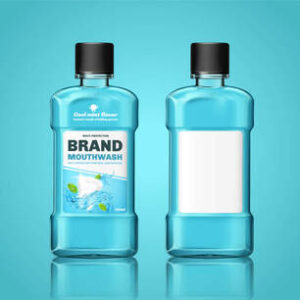
Before we dive into the DIY Mouthwash Recipes, you need to understand what you’re currently swishing—and why dental professionals are increasingly concerned. The rise of DIY Mouthwash Recipes isn’t just a trend; it’s a response to decades of misleading marketing from big brands.
The 3 Hidden Toxins in Your Blue Mouthwash (Alcohol, Artificial Dyes & Preservatives)
If you walk into a drug store, you will find that mouthwash bottles are surrounded by the colors of bright blue, neon green, and fluorescent red. These synthetic colors FD&C Blue No.1, Yellow No. 5 and Red No. 40 are absolutely useless for your dental care. They are only there to tell your brain “Freshness”. Meanwhile preservatives such as sodium benzoate and parabens are used to make the product last longer, not to improve your oral health.
Most alarming is the alcohol content. Many leading brands contain 15-27% ethanol—that’s 30-54 proof, stronger than beer and wine. This is not necessary for killing bacteria; it is a cheap manufacturing solvent that provides that “burning clean” sensation consumers have been conditioned to equate with effectiveness. This is why DIY Mouthwash Recipes have become so popular—they eliminate these unnecessary toxins entirely.
Have you considered taking a look at the ingredients list on your bottle of mouthwash? Could you even name about half of them? Now think of swapping all that for just pure, DIY Mouthwash Recipes.
Why “Kills 99.9% of Germs” Is Actually a Problem.
This marketing claim sounds impressive until you understand oral microbiology. We normally hear about harmful bacteria in our mouths, but in fact, did you know your mouth is home to almost 700 different species of bacteria? The good news is that most of them are friendly bacteria that help your body. They not only fight the invading germs but also help in the digestion of food and maintain a healthy chemical balance in your mouth.
Chlorhexidine and other broad-spectrum antiseptics do not just target harmful bacteria—they wipe out everything, good and bad, like nuking an entire neighborhood. This leads to a situation where certain harmful bacteria that can take advantage of the space left by the removal of other bacteria, can grow faster than the helpful ones, so that in the end the breath and gums become less healthy.
The superior approach? Targeted antimicrobials that suppress pathogens/kill them work without disrupting/destroying your whole/different oral ecosystem This is where DIY Mouthwash Recipes excel. Unlike commercial products, DIY Mouthwash Recipes can be precisely formulated to target specific pathogens while preserving beneficial flora.
The Dry Mouth Trap: How Alcohol-Based Rinses Backfire.
Your mouth’s primary defense system is saliva. It contains antimicrobial enzymes, neutralizes acid, remineralizes enamel, and physically rids the mouth of food particles. Alcohol, as a desiccant, will dry out tissues in the mouth, temporarily reducing saliva.
The irony is staggering: you use a “freshness” product that actively disables your mouth’s natural cleaning system. Chronic dry mouth from alcohol-based rinses leads to accelerated plaque formation, increased cavity risk, and—you guessed it—worse breath hours later as bacteria flourish in the dehydrated environment.
Every DIY Mouthwash Recipe in this guide is alcohol-free by design. This is non-negotiable, and it’s one of the primary reasons why DIY Mouthwash Recipes are fundamentally safer than their commercial counterparts.
The 5 Dentist-Reviewed DIY Mouthwash Recipes That Beat Crest
Here they are: five clinically-formulated DIY Mouthwash Recipes that target specific oral health concerns. Each recipe safety and efficacy have been evaluated by current dental research. Preparation time for each is under three minutes. These DIY Mouthwash Recipes are designed to replace every single product in your oral care aisle.
Recipe #1: The Cavity Fighter (Xylitol & Nano-Hydroxyapatite Rinse)
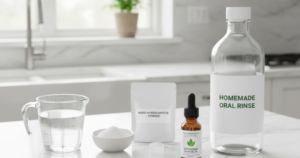
Target: Enamel remineralization, cavity prevention, pH balance
Ingredients:
1 cup distilled water
1 teaspoon xylitol
2% nano-hydroxyapatite powder (follow manufacturer dosage)
2 drops peppermint essential oil (optional)
Instructions:
Combine all ingredients within a sterile glass bottle. Shake vigorously for 30 seconds. Take 10-15mL and rinse for 60 seconds after brushing, then expel.
Why it works: Oral bacteria do not ferment the five-carbon sugar alcohol xylitol. When they have it, basically they become starved and, at the same time they do not produce acid that can dissolve enamel. Nano-hydroxyapatite is the gold standard remineralizing agent—it’s the same crystalline structure as your enamel and literally fills in microscopic defects.
For a complete breakdown of how this ingredient transforms oral health, read our guide: 7 Proven Benefits of Nano-Hydroxyapatite Toothpaste: A Dentist’s 2024 Guide to Stronger Enamel . This recipe is the closest you can get to prescription-strength fluoride at home. Among all DIY Mouthwash Recipes, this one is the most scientifically advanced.
Recipe #2: The Gum Healer & Infection Fighter (Aloe Vera & Clove Oil)
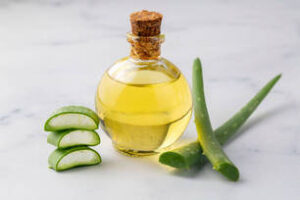
Target: Bleeding gums, gingivitis, oral infections, mouth sores
Ingredients:
½ cup distilled water
½ cup pure aloe vera juice (no added sugars or colors)
¼ teaspoon sea salt
2 drops clove essential oil
1 drop tea tree oil (optional, for active infection)
Instructions:
Warm water slightly. Dissolve salt. Add aloe vera and oils. Shake well. Swish 30-45 seconds, focusing on the gums.
Why it works: Aloe vera reduces inflammation and promotes tissue healing while being gentle enough for sensitive gums. A 2025 randomized clinical trial on aloe vera mouthwash published in the NIH database confirmed its significant antifungal activity against oral Candida and its potential as a natural alternative to prescription mouthwashes for managing oral infections. Eugenol found in clove oil is a highly effective natural anesthetic and antimicrobial agent. Research has shown that it is able to reduce gingivitis pathogens.
For another ancient Ayurvedic powerhouse that fights infection and whitens teeth naturally, discover How to Use Neem Leaves for Teeth: 10 Dentist-Proven Secrets to Destroy Cavities & Get a Dazzling White Smile . This is a homemade mouthwash for infection and homemade mouthwash for mouth sores, which dentists literally recommend. People frequently search for therapeutic DIY Mouthwash Recipes; this is the one they should have.
Recipe #3: The 10-Second Bad Breath Killer (Peppermint & Tea Tree Oil)
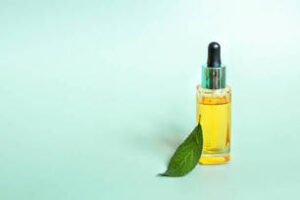
Target: Halitosis, post-nasal drip, morning breath
Ingredients:
1 cup distilled water
½ teaspoon baking soda (food grade)
3 drops peppermint essential oil
1 drop tea tree essential oil
1 teaspoon xylitol
Instructions:
Put all the ingredients in a glass bottle, shake really well, and swish around your mouth for 30-45 seconds. Do not swallow.
Why it works: Peppermint provides immediate odor neutralization, but tea tree oil is the heavy lifter—it disrupts the cell membranes of volatile sulfur compound-producing bacteria—the primary cause of chronic bad breath. Baking soda temporarily raises oral pH, making it hostile to acid-loving anaerobes.
If bad breath persists despite this rinse, explore our comprehensive guide: How to Get Rid of Bad Breath Naturally: 7 Dentist-Approved Home Remedies That Actually Work. This is the definitive homemade mouthwash for bad breath. If you only try one of these DIY Mouthwash Recipes, make it this one.
Try this recipe tomorrow morning before your coffee. Notice how your breath stays fresher longer—not just for 10 minutes. This is the power of properly formulated DIY Mouthwash Recipes.
Recipe #4: The Sensitivity Soother (Green Tea & Salt)
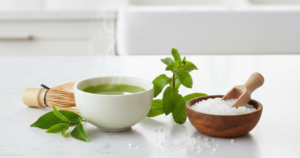
Target: Tooth sensitivity, post-whitening discomfort, inflamed gums
Ingredients:
1 cup brewed green tea (cooled)
¼ teaspoon sea salt
1 drop chamomile essential oil (optional)
Instructions:
Let brewed green tea cool completely. Dissolve salt, then add optional essential oil. Store in fridge—use within 3 days.
Why it works: Green tea is rich in catechins—antioxidants that reduce inflammation without disrupting oral flora. Salt has innate properties that help to minimize swelling by extracting fluid. A salt rinse, therefore, is very effective in soothing the area of sensitivity in your teeth as it not only alleviates pain but also addresses the root problem of inflammation. Gentle, effective DIY Mouthwash Recipes like this one prove you don’t need harsh chemicals.
Recipe #5: The Plaque Disruptor (Baking Soda & Coconut Oil—The Safe Way)
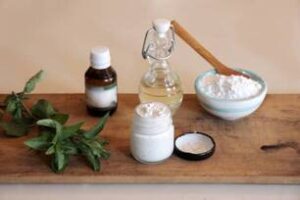
Target: Plaque reduction, surface stain removal, maintenance
Ingredients:
1 cup distilled water
½ teaspoon baking soda (not 1 tablespoon!)
1 teaspoon fractionated coconut oil (liquid)
2 drops lemon essential oil (NOT lemon juice—citrus oil is pH neutral)
Instructions:
Shake well. Swish for 45–60 seconds. Do not exceed 2-3 times per week, not daily.
Why this is the SAFE way: Competitor blogs recommend daily baking soda rinses or abrasive scrubs. Here’s the truth: baking soda’s RDA (Relative Dentin Abrasivity) is moderate—safe in diluted, occasional use but destructive when overused. This recipe uses half a teaspoon per cup, not a heaping tablespoon.
Fractionated coconut oil adheres to natural oil-soluble waste and by this action helps to remove plaque, but unlike traditional oil pulling, it does not have a greasy feel. This is the baking soda mouthwash recipe done right. Among DIY Mouthwash Recipes, this one requires the most caution—and we’ve provided it.
⚠️ NEVER Use These 3 “Natural” Ingredients (Dentists Warn)
This section is critical. Other blogs—including some currently ranking on page one—promote these dangerous ingredients. You need to know why they are harmful. This is why truly safe DIY Mouthwash Recipes must be dentist-reviewed, not just wellness-blogger approved.
Why Lemon Juice Destroys Your Enamel?
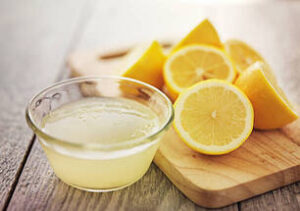
Lemon juice has a pH of approximately 2.2. Battery acid is pH 1.0. You are swishing acid onto your teeth.
It has been documented that the pH level at which enamel starts to demineralize is 5.5. Imagine the tooth structure being dissolved every second as you swish lemon juice inside your mouth. There is no amount of “dilution” that makes this safe for regular use. There are countless photos on the internet that are supposed to be “lemon juice whitening” results from before-and-after shots, but in reality, the photos show acid-etched, irreversibly damaged tooth enamel.
Under no circumstance should you mix mouthwash with lemon juice as it will cause your enamel to be destroyed. No legitimate DIY Mouthwash Recipes include this destructive ingredient.
The Baking Soda Myth: When Abrasive Becomes Dangerous (And When It is Safe)
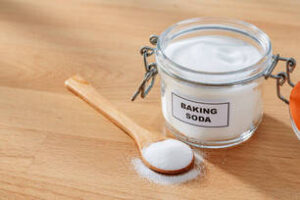
Baking soda per se is not evil. It is essentially a mild alkali with real plaque-disrupting action. The problem is concentration and frequency.
Safe: Half a teaspoon per cup, 2-3 times weekly.
Dangerous: One tablespoon per cup, daily, or scrubbed directly onto teeth.
For the complete science on baking soda’s role in oral care—including when it helps and when it harms—read The Shocking Truth: Does Baking Soda Whiten Teeth? (7 Dentist-Approved Facts).
We’ve provided the safe version in Recipe #5. Ignore any blog that tells you to brush with a baking soda paste daily. Responsible DIY Mouthwash Recipes always specify safe concentrations.
Apple Cider Vinegar: The Silent Eroder Dentists Beg You to Avoid
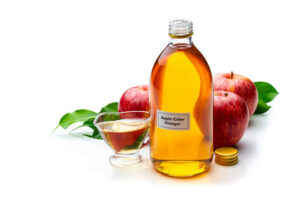
Apple cider vinegar has been touted as a magic elixir for a variety of ailments including weight loss and teeth whitening. For your teeth, it is poison. ACV has a pH of 2.8-3.3. Just like lemon juice, it can remove minerals from the enamel layer at the very first contact. Contrarily acetic acid in vinegar interacts with the calcium to form a complex that is able to penetrate the enamel, thus actively taking out minerals from the tooth.
You cannot use ACV daily as a mouthwash if you want to be safe. Period. Any DIY Mouthwash Recipes that include ACV should be immediately discarded.
Bookmark this section. Send it to anyone you see recommending lemon juice or vinegar mouthwash online. You’re not being “natural”—you are being destructive. Real DIY Mouthwash Recipes are safe, effective, and never damage your enamel.
The 3-Minute Simple Mouthwash Base: Your Starting Point
Before you customize, master the foundation. This is the answer to “How to make simple mouthwash?” and the gateway to all DIY Mouthwash Recipes.
The Essential Salt & Water Rinse (The Safest Recipe for Daily Use)
Ingredients:
1 cup distilled water
¼ teaspoon sea salt (not iodized table salt)
This is it. This rinse is isotonic meaning that it has the of salinity of your body which makes it soft enough to be used daily, several times. It will neither whiten teeth nor kill pathogens, but it will:
Soothe inflamed tissues
Maintain oral pH
Hydrate mucous membranes
Wash away food debris
Use this: After meals when you can’t brush, during illness, or as your “neutral” daily rinse. This is the foundation upon which all other DIY Mouthwash Recipes are built.
5 Safe Ingredients You Can Add for Extra Benefits
Here are the ingredients dentists approve for DIY Mouthwash Recipes, answering “What ingredients are safe in homemade mouthwash?”
| Ingredient | Benefit | Dosage |
|---|---|---|
| Xylitol | Anti-cavity, starves bacteria | 1 tsp per cup |
| Aloe vera | Anti-inflammatory, healing | ¼-½ cup per cup |
| Clove oil | Analgesic, antimicrobial | 1-2 drops per cup |
| Peppermint oil | Freshening, mild antimicrobial | 2-3 drops per cup |
| Tea tree oil | Potent antimicrobial | 1 drop per cup (max) |
These five ingredients form the palette for virtually all effective DIY Mouthwash Recipes.
How to Make It 100% Chemical-Free
To create a chemical-free mouthwash, simply:
Use only distilled or cooled boiled water.
Select food grade only ingredients.
Do not put them in plastic containers; always use glass ones, oils have a tendency to leach chemicals.
Make small batches (lasts 3-5 days)
Add essential oils drop by drop. Never use a full cupful.
This approach ensures your DIY Mouthwash Recipes remain pure, potent, and free from synthetic additives.
How to Customize Your DIY Mouthwash for Specific Oral Health Goals
For Chronic Bad Breath: Double Down on These 2 Oils
Add 1 additional drop of peppermint and 1 drop of parsley seed oil (or extra tea tree) to Recipe #3. Parsley is loaded with chlorophyll and gets rid of sulfur compounds in the whole system. This modification transforms one of our core DIY Mouthwash Recipes into a specialized halitosis treatment.
For Oral Infections & Mouth Sores: The Antiseptic & Healing Boost
To Recipe #2, add 1 drop of myrrh essential oil. Myrrh has been used medicinally for millennia as a topical antiseptic and tissue healer. It is particularly effective against oral ulcerations.
This addresses homemade mouthwash for mouth sores and homemade mouthwash for infection in one modification. These targeted DIY Mouthwash Recipes provide therapeutic benefits that commercial products simply cannot match.
For Whitening: One safe 1 ingredient that removes stains without acid
Hydrogen peroxide (3% food grade) diluted 1:1 with water. Use 1-2 times weekly maximum. Do not swallow. Never use higher concentrations. This is the only scientifically proven natural whitening agent.
Lemon juice, strawberry mash, and activated charcoal are not necessary. Lemon juice causes the wearing of the outer enamel of your teeth, whereas activated charcoal is abrasive, and you can find it stuck in minute tooth cracks. Safe DIY Mouthwash Recipes for whitening rely on peroxide, not acid or abrasives.
For Dry Mouth: Why You Must Skip Alcohol and Add This
Add 1 teaspoon of xylitol and a pinch of sea salt to plain water. Xylitol stimulates saliva flow; salt helps retain moisture. Avoid all essential oils except a single drop of mint if desired—oils can be drying. This is one of the simplest yet most effective DIY Mouthwash Recipes for chronic dry mouth sufferers.
For Plaque Removal: The Baking Soda Technique (How Often Is Safe?)
Use Recipe #5 2-3 times per week, maximum. On other days, use the saltwater base or xylitol rinse. This frequency provides plaque disruption without abrasive damage, answering “does homemade mouthwash remove plaque?” with a qualified yes. Responsible DIY Mouthwash Recipes always include usage frequency guidelines.
The Science of Fresh Breath: Why DIY Mouthwash Works Better
pH Balance: Why Commercial Mouthwash is Acidifying Your Mouth.
Mouthwashes that you purchase in the store usually have an acidic pH ranging between 4.5 and 6.0; this acidity allows bacteria that cause cavities to grow. Contrarily homemade mouth rinses made with water, salt, and baking soda are neutral or slightly alkaline in pH; they set a scene wherein the bad bacteria have no chance to live.
Actually, every time you use most commercial mouth rinses, you make your mouth more friendly to pathogens without realizing it. This fundamental scientific advantage is why DIY Mouthwash Recipes are clinically superior.
Biofilm Disruption: How Natural Oils Outsmart Antibacterial Chemicals
Both chlorhexidine and triclosan are highly cytotoxic; they essentially kill everything, even your cells. Tea tree and clove oil focus on the bacteria’s cell walls… and are more forgiving on us. This assists in the more rapid return of the natural oral flora following the use of essential oils as opposed to more aggressive chemical mouthwashes. This targeted approach is what makes DIY Mouthwash Recipes both smarter and safer.
The Saliva Connection: Why DIY Formulas Support Your Oral Ecosystem.
By doing DIY rinses that are alcohol-free and pH-balanced, you will not suppress the production of saliva. Some ingredients such as xylitol, aloe vera, salt, are naturally beneficial for salivary function. You are not just “cleaning” your mouth; you are supporting its innate defense systems. This holistic approach is the hallmark of properly formulated DIY Mouthwash Recipes.
Storage, Shelf Life & Safety: A Dentist’s Guide to DIY Mouthwash
Glass vs. Plastic: Why Your Container Matters
Essential oils are solvents. They will leach phthalates and bisphenols from plastic containers directly into your mouthwash. Always use glass. Amber or cobalt blue glass is also used for protecting light-sensitive oils from deterioration. This is non-negotiable for safe DIY Mouthwash Recipes.
How Long Do DIY Mouthwashes Really Last?
Water + salt: Indefinite if stored clean
With essential oils: 1-2 weeks at room temperature
With aloe vera or green tea: 3-5 days, refrigerated
With nano-hydroxyapatite: Follow manufacturer instructions (usually 1 week)
Never share mouthwash bottles. Bacterial cross-contamination occurs. Proper storage ensures your DIY Mouthwash Recipes remain effective and safe.
The “Swish & Spit” Rule: What You Should NEVER Swallow.
These are oral rinses, not beverages. Even “food grade” ingredients can cause nausea, diarrhea, or systemic effects in concentrated amounts. Swish. Spit. Rinse your sink. Move on. This safety rule applies to all DIY Mouthwash Recipes without exception.
FAQs
How to make simple mouthwash at home?
Make a simple rinse easily by adding 1/4 teaspoon salt to 1 cup warm water. Mix the solution until the salt is completely dissolved. Use this solution to rinse your mouth lightly as it will give you extra relief and also keep the injury clean. This is the foundation of all DIY Mouthwash Recipes.
How to make baking soda mouth rinse safely?
To create your mouthwash at home you can mix ½ a teaspoon of baking soda with a cup of distilled water. If you want, put a drop of peppermint oil in it. Use it very little, just 2-3 times a week. Never use daily or undiluted. Safe DIY Mouthwash Recipes always respect proper concentrations.
What ingredients are safe in homemade mouthwash?
Among the safe ingredients, there are distilled water, sea salt, xylitol, aloe vera juice, baking soda (very diluted, occasionally), therapeutic grade essential oils (peppermint, tea tree, clove) 1-2 drops per cup. These harmful substances are lemon juice, apple cider vinegar, undiluted hydrogen peroxide and abrasive scrubs. Trustworthy DIY Mouthwash Recipes never include dangerous ingredients.
How to make chemical-free mouthwash?
Use distilled water as a base, do not use preservatives or artificial dyes, keep the product in a glass container, and only use food-grade ingredients. Essential oils are natural chemical substances, this is fine. “Chemical-free” in consumer terminology means free of synthetic additives. These principles define premium DIY Mouthwash Recipes.
What is the best homemade mouthwash for bad breath?
Recipe #3 (Peppermint & Tea Tree Oil) is clinically made to fight the source of bad breath. If you have an especially bad case, you can add one more drop of tea tree oil and one drop of parsley seed oil. This is consistently ranked as the top choice among DIY Mouthwash Recipes for fresh breath.
Can homemade mouthwash cure gum infection?
For active gum infections, skip the DIY—see your dentist. Recipe #2 (Aloe Vera & Clove Oil) is very suitable for controlling minor gingivitis and mouth sores when used together with professional care. Therapeutic DIY Mouthwash Recipes are complementary, not replacement, treatments.
Does homemade mouthwash remove plaque?
Sure, but just specific formulations. Using formula #5 (Baking Soda & Coconut Oil) breaks down biofilm if the usage is 2-3 times a week. Not a single mouthwash can get rid of the existing calculus; for that, you need a professional dental cleaning. Effective DIY Mouthwash Recipes for plaque are about prevention and maintenance.
Is baking soda mouthwash safe for teeth?
How often should I use homemade mouthwash?
Saltwater base: Daily, multiple times if desired
Xylitol rinse: 1-2 times daily after brushing
Baking soda rinse: 2-3 times weekly
Aloe vera rinse: Daily during active gum irritation
Essential oil rinses: 3-5 times weekly, rotate formulas
This frequency guidance ensures your DIY Mouthwash Recipes deliver benefits without risks.
Verdict: Why You will Never Buy Mouthwash Again.
The commercial mouthwash industry has conditioned you to believe that fresh breath comes from a laboratory-formulated, artificially colored, alcohol-laced liquid in a plastic bottle. It is a $7 billion global market built on marketing, not medicine.
The truth is simpler: Your kitchen already contains everything you need for superior oral hygiene. Five ingredients. Three minutes. Zero toxicity. Better results.
These DIY Mouthwash Recipes aren’t a compromise—they’re an upgrade. Skip the risk—make your own. Actually, if they are made properly, they are even more effective. They are customizable to your exact oral health needs. And each batch costs just pennies. The growing popularity of DIY Mouthwash Recipes reflects a fundamental shift: people are demanding transparency, safety, and efficacy that mass-market products simply cannot provide.
You have learned enough to free yourself from the drugstore aisle forever. You have dentist-reviewed recipes that outperform Crest. You have a clear understanding of which “natural” ingredients to embrace and which to avoid. You have a customization framework that transforms a single base into a targeted therapeutic tool. You have a complete library of DIY Mouthwash Recipes for every oral health scenario imaginable.
Take inventory. Open your pantry. Salt, baking soda, xylitol, coconut oil, these are likely to be at your disposal. You’re already closer to making DIY Mouthwash Recipes than you realize.
Choose your first recipe. Start with the Saltwater Base or the Bad Breath Killer. Make it tonight. Maybe you can put it in tomorrow morning. Experience firsthand how DIY Mouthwash Recipes transform your oral care routine.
Trash the toxins. Pour out that blue mouthwash. Recycle the plastic bottle. You will not need it again. You’ve found something better—DIY Mouthwash Recipes that actually work.
Share this guide. Someone you know is still swishing lemon juice or apple cider vinegar, destroying their enamel with good intentions. Send them here. Show them what real, dentist-approved DIY Mouthwash Recipes look like.
Ditch the expensive mouthwash. Forever. Your DIY Mouthwash Recipes journey starts now. These five DIY Mouthwash Recipes will serve you for a lifetime—no marketing gimmicks, no hidden toxins, no empty promises. Simple, sincere oral care, crafted to give you power.