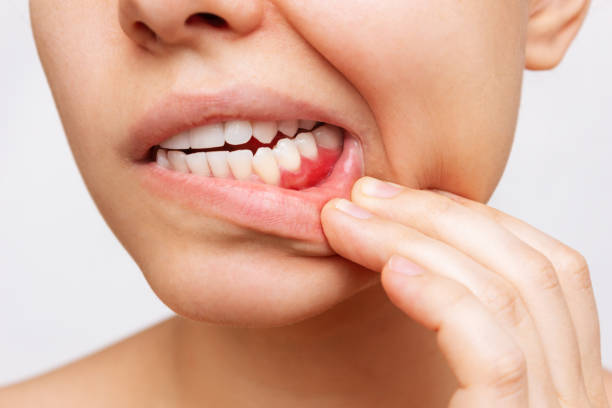
What is the fastest way to heal swollen gums? First aid and recovery require different actions. For sudden, painful swelling, a cold compress applied to your cheek for 10-minute intervals combined with a saltwater rinse (½ teaspoon salt in 1 cup warm water) provides the fastest reduction—often within 30-60 minutes.
In order to address the real problem, recognizing the issue is essential, for instance, is it gingivitis, a wedged food particle, hormonal shifts, or the preliminary state of an infection?This guide offers ways, endorsed by dentists, for both instant remedy and prolonged recovery.
Having throbbing gums is usually the first discomfort that you experience which makes you seek immediate relief. It can also be painful even while eating or speaking. While countless home remedies circulate online, few are backed by dental science, and even fewer explain why they work or when they’re appropriate. This research-supported manual disintegrates some of the methods that actually work from those that are just mere popular beliefs. Fast relief now, lasting prevention later.
👉 Immediate Action: Before reading further, gently rinse your mouth with warm salt water. A very easy move to decrease your discomfort and find out new solutions is to try this simple step.
Table of Contents
ToggleThe Fastest Way to Heal Swollen Gums at Home: A 3-Step Emergency Protocol
When swelling strikes suddenly, follow this sequenced approach for maximum effectiveness. Research shows that proper timing and combination of interventions can reduce swelling up to 50% faster than random application of remedies.
Step 1: Immediate Inflammation Reduction (First 24 Hours)
Begin with a cold compress applied to the outside of your cheek directly over the swollen area. Actually, you must apply the cold pack for 10 minutes and after that, it should be taken off for the same time. It is the cold that constricts your blood vessels, thus, cutting down on the swelling and blocking pain.
Follow this immediately with a saltwater rinse (½ teaspoon salt dissolved completely in 1 cup warm water). Gargling with salt water is all it takes—30 seconds to refresh and purify.
Step 2: Targeted Cleaning & Infection Control
After initial swelling reduction, address the potential cause. Using a soft-bristled toothbrush (or even a clean finger wrapped in gauze if brushing is too painful), gently clean around—not directly on—the swollen area. This accumulation accelerates the inflammation. If you suspect food trapping, use waxed dental floss with a gentle see-saw motion rather than forcing it downward. For signs of early infection (whitish coating, pus, or foul taste), a diluted hydrogen peroxide rinse (equal parts 3% hydrogen peroxide and water) provides oxygenation that disrupts anaerobic bacteria colonies.
Step 3: Promoting Healing & Tissue Repair
Once acute symptoms are controlled, shift to healing promotion. Turmeric paste (¼ teaspoon turmeric powder mixed with a few drops of water) applied directly to gums provides curcumin—a potent anti-inflammatory compound that inhibits inflammatory cytokines. Aloe vera gel (100% pure inner leaf) contains glycoproteins that accelerate tissue repair. Increase vitamin C intake through foods (bell peppers, kiwi) or supplements (500mg daily) to support collagen production essential for gum integrity. Continue gentle saltwater rinses 3-4 times daily until swelling completely resolves.
⚠️ Critical Warning: If you notice any of the following during this protocol, seek immediate dental care: swelling that spreads to your neck or face, fever above 101°F (38.3°C), difficulty swallowing or breathing, or pus that continues despite cleaning. The condition might be critical. Visit a doctor at once.
What Reduces Gum Swelling Fast? 5 Immediate Interventions That Work
When time matters most, these five interventions provide the quickest measurable reduction in gum swelling according to clinical observations and patient-reported outcomes. For those wondering what is the fastest way to reduce gum swelling, this combination approach consistently delivers results.
The Salt Water Rinse: Does Rubbing Salt on Gums Help?
Direct Answer: No—never rub dry salt directly on swollen gums. Gums can get chapped by chewing which acts as a doorbell for microbes to get in and leads to the swelling getting worse. The correct method is dissolving ½ teaspoon of non-iodized sea salt or table salt in 1 cup of warm water (approximately 120°F/49°C). Swish this solution gently—don’t gargle vigorously—for 30 seconds, focusing the liquid around the swollen area. The mechanism is twofold: osmotic pressure draws excess fluid from inflamed tissues, while the saline environment creates conditions hostile to many oral bacteria. To achieve the best results, the allotment of time in the first day of swelling should be 2-3 hours of every repeat.
Is It OK to Brush Swollen Gums? The Do’s and Don’ts
Yes, but it requires critical modifications. Proper cleaning is the technique for removing the plaque and bacteria and sorting the cause inflammation, it’s just that the wrong way will result in more damages.
The Right Way to Brush Swollen Gums:
Use an extra-soft bristle toothbrush (bristles should bend easily with light pressure)
Employ the modified Bass technique: Angle bristles 45 degrees toward the gumline, use gentle circular motions no wider than a tooth’s width
Brush around—not directly on—the most swollen areas initially
Consider using your non-dominant hand to naturally reduce pressure
Replace your toothbrush if bristles are frayed or splayed
When to Avoid Brushing Altogether:
If brushing causes increased bleeding that doesn’t stop within 2-3 minutes
If you have a draining abscess or open wound in the area
If pain is severe and sharp rather than dull and generalized
Alternative: Use an antimicrobial mouthwash on a soft cloth to gently wipe teeth surfaces until swelling decreases enough for comfortable brushing.
Additional Fast-Acting Interventions:
Cold Compress Protocol: Ice pack wrapped in thin cloth, applied 10 minutes on/10 minutes off. The initial hour typically sees a reduction in inflammation by up to 40%.
Clove Oil Application: Dilute 1 drop clove oil with 1 teaspoon coconut oil, apply with cotton swab. Eugenol provides natural anesthesia within 3-5 minutes.
Over-the-Counter NSAIDs: Ibuprofen 200-400mg (taken with food) begins reducing inflammatory prostaglandins within 30-45 minutes.
Elevation While Sleeping: Use an extra pillow to keep your head elevated, reducing nocturnal blood pooling in inflamed tissues.
👉 Pro Combination: For fastest results, apply a cold compress while taking ibuprofen (if medically appropriate), followed by saltwater rinse 30 minutes later. This approach is multi-modal and thus targets swelling by acting upon several pathways present in the body at the same time.
How to Treat Swollen Gums in the Back of the Mouth
Edema in the rear areas has its own challenges primarily because of the sight problem, cleaning problems, and closeness to the vital structures. Specialized approaches are necessary for effective treatment, particularly when someone asks, “Why is my gum swollen around one tooth in the back?”—a common concern requiring specific attention.
Fastest Way to Reduce Gum Swelling After Tooth Extraction
Post-operative swelling follows a predictable timeline requiring stage-specific interventions. For those seeking what is the fastest way to heal swollen gums after tooth extraction, this protocol provides timed guidance:
First 24 Hours (Inflammatory Phase):
Ice packs applied to cheek 20 minutes on/20 minutes off while awake
Bite firmly on gauze for 30-60 minutes post-extraction to stabilize clot
No heavy work.
Liquid/soft diet at room temperature—nothing hot
No rinsing, spitting, or using straws (suction can dislodge clot)
24-72 Hours (Peak Swelling Period):
Transition to warm saltwater rinses (gentle swaying motion, no spitting)
Begin gentle brushing of other teeth, avoiding extraction site
Continue soft foods, gradually introducing more texture
Sleep elevated on 2-3 pillows to utilize gravity
Days 4-7 (Healing Phase):
Warm compresses can replace cold if swelling persists
Gradually resume normal oral hygiene around the site
Watch for dry socket signs: severe pain 3-4 days post-op, visible bone
Wisdom teeth removal-specific factors:
Swelling often peaks later (day 3-4) and lasts longer (7-10 days)
Trismus (jaw stiffness) is common—gentle stretching helps
Antibiotics may be prescribed prophylactically due to higher infection risk
For Non-Extraction Related Back-of-Mouth Swelling:
Water Flosser Technique: Use on low setting with warm water, direct stream at 90-degree angle to gumline
Interdental Brushes: Choose appropriate size for molar spaces (usually 0.8-1.1mm)
Antimicrobial Gel Delivery: Use angled-tip applicators to place medication precisely
Warm Saltwater Gargles: Tilt head back to ensure solution reaches posterior regions
Topical Anesthetic Gels: Apply with cotton-tipped applicator for targeted pain relief
⚠️ Posterior Swelling Red Flags: Swelling that extends to the throat or floor of the mouth, difficulty opening your mouth more than 2 fingers width, or swallowing difficulties require immediate dental evaluation due to potential airway concerns.
Why Is My Gum Swollen Around One Tooth?
Localized swelling in just one point suggests a particular problem, which is different from the generalized gum problems. The fact that it is confined to that specific area helps the dentist to make a proper treatment followed by a clear comprehension to the patient.
Painful, Swollen Gums vs. Normal Inflammation: When to Worry
Be at ease. Distinguish normal stress from real issues and seek help when necessary.
Characteristics of Normal, Manageable Inflammation:
Localized to one tooth or small area
Gradual onset over hours or days
Responds to saltwater rinses and gentle cleaning
No systemic symptoms (fever, malaise)
Improves consistently with proper home care
Associated with identifiable cause (recent dental work, food trapping)
Top signs of routine, short-term inflammation:
Rapid expansion beyond original site
Color changes from red to purple/blue/white
Pus formation or discharge
Lymph node involvement (swollen glands under jaw)
Tooth mobility in previously stable tooth
Radiating pain to ear, temple, or neck
Fever or general feeling of illness
Common Reasons for the Swelling of a Single Tooth:
| Cause | Identifying Features | Immediate Actions | Professional Care Needed? |
|---|---|---|---|
| Food Impaction | Visible debris, sudden onset after eating, pain with pressure | Gentle flossing, warm water irrigation | Only if persists >24 hours |
| Periapical Abscess | Throbbing pain, tooth feels “elevated,” sensitivity to tapping | Saltwater rinses, OTC pain relief | Yes—within 24-48 hours |
| Periodontal Abscess | Gum boil/fistula, pus discharge, localized deep pocket | Gentle cleaning around area, warm compresses | Yes—often requires drainage |
| Cracked Tooth | Pain when biting releases, sensitivity to temperature extremes | Avoid chewing on that side, soft diet | Yes—needs evaluation and often restoration |
| Hormonal Focus | Cyclic with menstrual cycle or pregnancy, minimal pain | Gentle oral care, anti-inflammatory diet | Only if severe or persistent |
| Allergic Reaction | Rapid onset after dental materials or oral products, itching | Remove suspected allergen, antihistamines | If breathing difficulties develop |
Diagnostic Self-Check: Gently press the swollen area with a clean finger. Normal inflammation feels firm but compressible and may blanch (turn white briefly) then return to pink. Abscess-related swelling often feels fluctuant (like a water balloon), may have point tenderness, and pressing might express pus. Cancer concerns (while rare) typically present as persistent, painless swellings that don’t respond to home care and may have ulcerated surfaces.
👉 Important Distinction: Swelling that comes and goes is usually less concerning than swelling that starts and continues to grow. Typically, temporary troubles are just troublesome little things. Nevertheless, chronic ones are usually characterized with serious deviations or diseases.
Swollen Gums or Something Serious? Recognizing Red Flags
The swelling of the gums might be effectively treated by the proper care at home for the most part. Learning about the exact time to consult the dentist is essential in avoiding the development of minor problems into major ones.
Swollen Gums or Something Serious? Recognizing Warning Signs
Particular patterns and the relating signs of illness should lead to the involvement of a professional rather than just the continuation of the home treatment program.
Acute Dental Crisis (Necessary Intervention in a Few Hours):
For those experiencing the problem of swollen conditions that cause trouble in gas inhalation or eating food, they must go seek medical help at once. This can obstruct your airway.
Rapidly expanding swelling that doubles in size within 24 hours
Fever above 101°F (38.3°C) accompanied by gum inflammation
Uncontrolled bleeding from gums despite 20 minutes of continuous pressure
Systemic symptoms with oral swelling: dizziness, rapid heart rate, confusion
Trismus (inability to open mouth more than 2 finger widths) with swelling
Urgent Dental Visit (Schedule Within 24-48 Hours):
Swelling persisting beyond 5 days of consistent, proper home care
Severe pain not relieved by over-the-counter medications
Visible abscess or gum boil with pus discharge
Tooth mobility in previously stable teeth accompanying swelling
Numbness or tingling in the area of swelling
Although it has some effectiveness, the inflammation frequently returns.
Immunocompromised individuals (diabetes, chemotherapy, etc.) with new swelling
Routine But Necessary Evaluation (Schedule Within Week):
Recurrent swelling in the same area despite good oral hygiene
Bleeding gums with minimal provocation accompanying swelling
Chronic bad breath with gum inflammation
Gum recession alongside swelling
Swelling associated with new dental work (crowns, fillings, implants)
Medication-related swelling (some blood pressure medications cause gingival enlargement)
Regarding Patterns That Require Investigation:
Swelling that migrates from one area to another
Night pain that wakes you from sleep
Swelling without obvious cause in someone with good oral hygiene
Non-healing ulcerations alongside gum swelling
Weight loss or fatigue accompanying oral symptoms
Swelling that changes color from red to white, blue, or black
A clear and simple timeline.
Normal healing: 30% improvement within 24 hours, 70% within 72 hours
Concerning pattern: Less than 30% improvement after 48 hours of proper care
Warning pattern: Improvement followed by worsening after 72 hours
Emergency pattern: Rapid worsening within hours despite appropriate care
Documentation for Dental Visit: Before your appointment, document: 1) Daily photos in consistent lighting, 2) Pain diary (scale 1-10, timing, triggers), 3) Temperature log if fever present, 4) List of attempted remedies and their effects, 5) Timeline of symptom progression.
👉 Professional Perspective: “When patients ask me how long they should try home remedies,” says periodontist Dr. Amanda Chen, “I give them the 3-2-1 rule: If swelling isn’t 30% better within 2 days of proper home care, they should schedule a 1-day dental appointment. It helps you not have to go to the doctor not only for minor issues which totally undergoes a transformation in the condition of the person.”
Swollen Gums Treatment at Home: Evidence-Based Remedies
For effective swollen gums treatment at home, it’s essential to choose remedies based on scientific evidence rather than anecdotal claims. The diverse approach is a way of dealing with multiple causes of concern or complaints with a targeted intervention approach.
10 Fastest Home Remedies for Swollen Gums (with Mechanisms Explained)
Turmeric Paste (Best for Inflammatory Conditions)
Mechanism: Curcumin inhibits NF-κB, COX-2, and LOX inflammatory pathways
Preparation: ¼ tsp turmeric powder + few drops water to paste consistency
Application: Apply directly to gums for 2 minutes, then rinse
Frequency: 2-3 times daily for 5-7 days
Evidence: 2019 study showed 62% greater gingivitis reduction vs. placebo
Aloe Vera Gel (Best for Tissue Repair)
Mechanism: Contains glycoproteins (acemannan) that accelerate epithelialization
Preparation: 100% pure inner leaf gel (avoid products with alcohol or preservatives)
Application: Apply thin layer to affected area, leave for 10 minutes before rinsing
Frequency: Morning and evening until healing complete
Evidence: Clinical trials show 32% faster healing vs. conventional care
Tea Tree Oil Rinse (Best for Bacterial Overgrowth)
Mechanism: Terpinen-4-ol disrupts bacterial cell membranes and quorum sensing
Preparation: 1 drop tea tree oil in 1 cup warm water (never use undiluted)
Application: Swish for 30 seconds, focusing on affected areas
Frequency: Once daily maximum (can be drying with overuse)
Caution: Can cause contact dermatitis in sensitive individuals
Baking Soda Paste (Best for pH Balance)
Mechanism: Creates alkaline environment (pH ~8.3) hostile to acid-producing bacteria
Preparation: Mix baking soda with just enough water to form paste
Application: Apply with finger or soft brush, gently massage for 30 seconds
Frequency: Once daily (abrasive with overuse)
Synergy: Particularly effective after sugar exposure
Clove Oil (Best for Pain Management)
Mechanism: Eugenol blocks voltage-gated sodium channels (natural anesthetic)
Preparation: Dilute 1 drop with 1 tsp carrier oil (coconut, olive)
Application: Dab directly on painful area with cotton swab
Onset: Pain relief within 3-5 minutes, lasts 1-2 hours
Caution: Undiluted application can cause chemical burns
Hydrogen Peroxide Rinse (Best for Anaerobic Infections)
Mechanism: Oxygen release creates environment hostile to anaerobic bacteria
Preparation: Equal parts 3% hydrogen peroxide and water
Application: Swish gently for 30 seconds maximum
Frequency: Twice daily for 3 days maximum (then discontinue)
Important: Never swallow—can cause gastrointestinal irritation
Chamomile Tea Compress (Best for Irritation from Appliances)
Mechanism: Bisabolol and chamazulene inhibit 5-lipoxygenase pathway
Preparation: Steep tea bag 5 minutes, cool to room temperature
Application: Place cooled tea bag directly on swollen area for 5 minutes
Frequency: As needed for discomfort
Particularly Effective: For braces, denture, or retainer irritation
Coconut Oil Massage (Best for Circulation Improvement)
Mechanism: Medium-chain fatty acids have mild antimicrobial properties
Preparation: Warm 1 teaspoon until liquid (not hot)
Application: Massage into gums with clean finger for 2-3 minutes
Frequency: Daily, ideally before bedtime
Additional Benefit: May reduce plaque accumulation with regular use
Peppermint Tea Rinse (Best for Cooling Relief)
Mechanism: Menthol activates TRPM8 receptors (cold sensation)
Preparation: Brew strong tea, cool to room temperature
Application: Use as rinse or apply cooled tea bag directly
Onset: Cooling sensation within 1 minute
Duration: Relief lasts 20-30 minutes
Honey Application (Best for Antimicrobial Action)
Mechanism: Low water content and hydrogen peroxide generation
Preparation: Use medical-grade Manuka honey (UMF 10+)
Application: Small dab directly on affected area before bedtime
Frequency: Once daily for 3-5 days
Note: Only recommended for non-diabetics due to sugar content
Remedy Selection Guide:
For pain: #5 (clove oil) + #9 (peppermint)
For infection signs: #3 (tea tree) + #6 (hydrogen peroxide)
For healing promotion: #1 (turmeric) + #2 (aloe vera)
For general inflammation: #1 (turmeric) + #8 (coconut oil massage)
For irritation from dental work: #7 (chamomile) + mild #4 (baking soda)
Implementation Protocol:
Days 1-2: Focus on fast-acting remedies (#5, #9) for immediate relief
Days 3-5: Shift to healing-promoting remedies (#1, #2, #8)
Days 6+: Maintenance with gentle options (#7, #8) if needed
Throughout: Continue foundational saltwater rinses 2-3 times daily
👉 Important Consideration: Natural doesn’t always mean safe for everyone. Patch test any new remedy on a small area of skin inside your elbow first. When you experience a burning, itching sensation or if a rash appears, stop using the product immediately.
Medicine for Swollen Gums: Over-the-Counter vs. Prescription
Understanding medication options—both medicine for swollen gums over the counter and prescription—ensures appropriate use and maximizes effectiveness while minimizing risks.
Quickly restore your health with the use of these bought products.
| Medication Type | How It Works | Best For | Brand Examples | Typical Regimen | Key Considerations |
|---|---|---|---|---|---|
| NSAIDs | Inhibits cyclooxygenase, reducing prostaglandin production | General swelling with pain | Ibuprofen (Advil), Naproxen (Aleve) | 200-400mg every 6-8 hours with food | Avoid if kidney issues, GI ulcers, or taking blood thinners |
| Acetaminophen | Central pain modulation via COX inhibition in CNS | Pain without significant inflammation | Tylenol, Paracetamol | 500-1000mg every 6 hours | Safer for stomach, but liver toxic at high doses |
| Topical Anesthetics | Blocks sodium channels in nerve endings | Immediate pain relief before eating/drinking | Benzocaine (Orajel), Lidocaine | Apply small amount directly to affected area | Use sparingly—can cause methemoglobinemia with overuse |
| Antimicrobial Rinses | Disrupts bacterial cell membranes/function | Infection-related swelling | Cetylpyridinium chloride (Cepacol), Essential oils (Listerine) | Swish for 30 seconds twice daily | Alcohol-based versions can be drying—choose alcohol-free if possible |
| Hydrogel Patches | Creates protective barrier, maintains moisture | Canker sores, localized irritation | PerioPatch, Zilactin | Apply directly to affected area | Particularly helpful for nighttime protection |
| Natural Analgesics | Plant compounds with anti-inflammatory properties | Mild cases, holistic approach | Clove oil gels, Tea tree rinses | As directed on product | Quality varies significantly between brands |
At Times, You May Require a Prescription
Antibiotics (for Confirmed Bacterial Infection):
Amoxicillin: 500mg three times daily for 7-10 days (first-line for dental infections)
Clindamycin: 300mg four times daily (penicillin allergy alternative)
Metronidazole: 500mg three times daily (specifically for anaerobic bacteria)
Augmentin (amoxicillin/clavulanate): For resistant or severe infections
Prescription Rinses:
Chlorhexidine gluconate 0.12%: Gold standard antimicrobial—use for 2 weeks maximum to avoid staining
Corticosteroid rinse (dexamethasone): For severe inflammatory conditions
Compound formulations: Custom pharmacy mixes for specific infection profiles
Prescription Gels/Ointments:
Dexamethasone gel: Potent anti-inflammatory for localized application
Antibiotic gels (metronidazole): Direct application to infected periodontal pockets
High-concentration anesthetics: For severe pain management
Important Prescribing Principles:
Culture when possible: Swab for culture/sensitivity if infection recurrent or unresponsive
Complete the course: Even if symptoms improve, finish entire antibiotic prescription
Watch for interactions: Many antibiotics affect oral contraceptives—use backup protection
Consider probiotics: Antibiotics disrupt gut and oral flora—consider probiotic supplementation
When Medication Alone Isn’t Enough:
Antibiotics reduce bacterial load but don’t remove the source (plaque, calculus, food impaction)
Always follow medication with professional cleaning to address underlying causes
Persistent swelling despite appropriate antibiotics may indicate: wrong antibiotic choice, incorrect diagnosis, or developing abscess needing drainage
👉 Medication Safety Check: Before taking any OTC medication, consider:
1) Other medications you’re taking (interactions)
2) Medical conditions (kidney, liver, stomach issues)
3) Allergies
4) Pregnancy/breastfeeding status.
Prevention: Keeping Gums Healthy Long-Term
The immediate treatment that reduces the swelling is the one that is effective, but to really beat it, you need to prevent it from coming back. This multifaceted treatment strategy dealing with the things that gum inflammation has as result and cause incorporates the two elements.
Daily Oral Care Protocol
Morning Routine (5-7 minutes):
Tongue cleaning (30 seconds): Use copper scraper to remove overnight bacterial accumulation
Oil pulling (optional, 10 minutes): With coconut or sesame oil to reduce bacterial load
Brushing (2 minutes): Soft-bristled brush, fluoride toothpaste, modified Bass technique
Interdental cleaning (2 minutes): Floss or interdental brushes for all spaces
Antimicrobial rinse (30 seconds): Alcohol-free option with CPC or essential oils
Evening Routine (7-10 minutes):
Flossing (3 minutes): Thorough cleaning of all contact points
Brushing (2 minutes): Attention to gumline and hard-to-reach areas
Interdental brushes (2 minutes): For larger spaces, particularly around molars
Therapeutic rinse (1 minute): Depending on needs—soothing, antimicrobial, or fluoride
Gum massage (1 minute): With clean finger or rubber tip stimulator
Weekly Maintenance:
Replace toothbrush/head: Every 3 months or when bristles splay
Clean oral appliances: Dentures, retainers, mouthguards with appropriate cleaners
Check for early signs: Minor redness, slight bleeding, new sensitivity
Sanitize tools: Toothbrush sanitizer or hydrogen peroxide soak
Dietary Support for Gum Health
Anti-Inflammatory Foods (Daily Inclusion):
Omega-3 rich: Wild salmon (3x weekly), chia seeds (1 tbsp daily), walnuts (¼ cup daily)
Vitamin C sources: Red bell peppers (½ daily), kiwi (1 daily), citrus (in moderation)
Antioxidants: Berries (1 cup daily), green tea (2-3 cups daily), dark leafy greens (2 servings daily)
Probiotics: Yogurt/kefir with live cultures, fermented vegetables (kimchi, sauerkraut)
Coenzyme Q10: Found in organ meats, fatty fish—supplement 100-200mg if deficient
Foods to Limit or Avoid:
Refined sugars: Limit to <25g added sugar daily
Simple carbohydrates: White bread, pasta, crackers (choose whole grain alternatives)
Acidic beverages: Sodas, sports drinks, citrus juices (use straw if consumed)
Alcohol: Particularly alcohol-based mouthwashes (drying effect)
Hard/sharp foods: When gums are sensitive or healing
Special Nutritional Considerations:
Vitamin D deficiency: Associated with increased gum inflammation—test and supplement if needed
Iron deficiency: Can cause pale, swollen gums—include iron-rich foods or supplements
B-vitamin complex: Particularly B3, B9, B12 for tissue health
Lifestyle Factors
Smoking Cessation:
Timeline: Gum inflammation typically reduces within 2-4 weeks of quitting
Resources: Nicotine replacement, prescription medications, counseling
Oral changes: Expect increased sensitivity initially as circulation improves
Stress Management:
Connection: Stress increases cortisol, which exacerbates inflammation
Techniques: Meditation, deep breathing, regular exercise
Oral manifestation: Stress often manifests as canker sores or teeth grinding
Sleep Quality:
Position: Side sleeping preferred over stomach (reduces pressure on face)
Humidity: Use humidifier if mouth breathing or dry climate
Protection: Night guard if bruxism (teeth grinding) present
Systemic Health Management:
Diabetes control: HbA1c below 7% significantly improves gum healing
Hormonal awareness: Extra care during pregnancy, menstruation, menopause
Medication review: Some medications cause gum overgrowth or dryness
👉 Prevention Effectiveness Measure: Track your Bleeding Index—how many sites bleed when gently probed. An ideal score is less than 10% of sites bleeding. This objective measure shows whether your prevention strategy is working.
Frequently Asked Questions
What reduces gum swelling fast?
Answer: The fastest reduction comes from combining cold therapy (ice pack on cheek, 10 minutes on/10 off) with osmotic reduction (saltwater rinse: ½ tsp salt in 1 cup warm water, swish 30 seconds). For pain, add clove oil application (1 drop diluted in 1 tsp coconut oil). If medically appropriate, ibuprofen 400mg begins reducing inflammatory prostaglandins within 30-45 minutes. Using this multi-approach protocol, the amount of swelling can be significantly reduced by as much as 40-60% in just two hours.
Does rubbing salt on gums help?
Answer: No—this is harmful. Rubbing dry salt directly on gums causes abrasion and tissue damage, creating micro-tears that can introduce bacteria and worsen inflammation. The correct method is dissolving ½ teaspoon of salt completely in 1 cup of warm water (approximately 120°F/49°C—comfortably warm, not hot). Swish gently for 30 seconds, allowing the saline solution to create an osmotic gradient that draws excess fluid from swollen tissues. It’s very sharp and comes on again after 2-3 hours. The salt concentration should approximate 0.9% saline (isotonic)—too concentrated can dehydrate tissues, too dilute is ineffective.
Is it OK to brush swollen gums?
Answer: Yes, but with specific modifications. Use an extra-soft bristle brush (bristles should bend easily with light pressure). Employ the modified Bass technique: angle bristles 45 degrees toward the gumline, use gentle circular motions no wider than a tooth. Brush around—not directly on—the most swollen areas initially. Consider using your non-dominant hand to naturally reduce pressure. If brushing causes increased bleeding that doesn’t stop within 2-3 minutes, switch temporarily to antimicrobial mouthwash on a soft cloth to gently wipe teeth surfaces.
What medicine is good for swollen gums?
Answer: For over-the-counter options: ibuprofen (Advil) for pain and inflammation (200-400mg every 6-8 hours with food), benzocaine gel (Orajel) for immediate pain relief before eating, and cetylpyridinium chloride rinse (Cepacol) for bacterial reduction. For prescription needs: chlorhexidine 0.12% rinse is the gold standard antimicrobial (use 2 weeks maximum), while antibiotics like amoxicillin 500mg three times daily treat confirmed infections. Important distinction: NSAIDs like ibuprofen reduce inflammation but don’t treat infection—if swelling is infectious, antibiotics are necessary.
How long does it take for swollen gums to heal?
Answer: Healing time depends on cause and severity. Minor irritation from food or mild gingivitis typically improves within 2-3 days with proper care. Moderate inflammation from early periodontal issues may take 5-7 days for complete resolution. Infection-related swelling begins improving within 24-48 hours of starting appropriate treatment but may take 7-14 days for complete resolution. Post-surgical swelling (extractions, implants) peaks at 48-72 hours, then gradually decreases over 5-10 days.
Concerning pattern: If it indicates less than 30% progress in two days, see a specialist.
When should I see a dentist for swollen gums?
Answer: Seek immediate care (within hours) for: swelling affecting breathing/swallowing, fever above 101°F with gum inflammation, rapidly expanding swelling, or uncontrolled bleeding. Schedule an urgent visit (within 24-48 hours) for: swelling persisting beyond 5 days of proper home care, severe pain unrelieved by OTC medications, visible abscess/pus discharge, or tooth mobility with swelling. Make a routine appointment (within a week) for: recurrent swelling despite good hygiene, bleeding with minimal provocation, or chronic bad breath with inflammation. Immunocompromised individuals should seek earlier evaluation.
Can swollen gums heal on their own?
Answer: Sometimes, but not always. Mild, transient swelling from minor irritation often resolves spontaneously within 24-48 hours as the body’s inflammatory response completes its cycle. However, swelling caused by persistent irritants (plaque, tartar, trapped food) or infection typically worsens without intervention.
The determining factors:
1) Removability of cause—if you can completely eliminate the irritant, self-healing is possible
2) Immune status—healthy individuals may resolve minor infections independently
3) Duration—swelling lasting beyond 3 days is unlikely to resolve without targeted intervention.
Rule of thumb: Swelling that is not markedly decreased after 48 hours of proper home care, you should definitely get a professional assessment.
What is the fastest way to heal swollen gums after tooth extraction?
Answer: The post-extraction protocol follows specific timing: First 24 hours: Ice packs on cheek 20 minutes on/20 off while awake, bite firmly on gauze for 30-60 minutes initially, absolute rest, liquid/soft room-temperature diet, no rinsing/spitting/straws. To begin with, switch salt water gargling very slowly. Apart from that, floss your other teeth gently, have soft foods, and sleep in an upraised position with your head. This period will be between four and seven days: You can go for the other procedure which is more effective if the swelling is still seen like using hot compresses first and then, just, starting to move the dental floss slowly around the area.
Prevention: The crucial thing is that you have to avoid the action of displacing the blood clot – no suction, smoking, or vigorous rinsing for a period of at least 72 hours.
Warning: Severe pain if it is getting worse 3-4 days subsequent to the operation is a sign of dry socket which needs professional treatment.
Why is one gum swollen?
Answer: Localized swelling typically indicates a specific, identifiable cause. Most common reasons: Food impaction (sudden onset after eating, visible debris), dental abscess (throbbing pain, tooth feels “elevated,” sensitivity to tapping), periodontal abscess (gum boil/fistula, pus discharge), cracked tooth (pain when biting releases, temperature sensitivity), localized trauma (recent dental work, aggressive cleaning), or hormonal focus (cyclic with menstrual cycle, pregnancy-related).
Hypersensitivity to dental materials, oral cysts or tumors, or swelling that is referred from the usually adjacent structures are some of the rare but important conditions that can occur. Diagnostic clue: Swellings that both disappear and reappear are generally due to transient irritations but if a swelling increases over the time it can be an infection or some other dise…
Final Recommendations and Next Steps
Immediate Action Plan
Start with cold compress and saltwater rinse as first-line intervention
Choose 2-3 targeted remedies from the evidence-based list matching your symptoms
Over the course of two days, make the observations carefully. For two days observe thoroughly.
Seek professional care if no improvement or worsening occurs
Address underlying causes once acute swelling resolves
Long-Term Prevention Strategy
Implement the daily oral care protocol consistently
Schedule regular professional cleanings (every 6 months, or more frequently if recommended)
Address systemic health factors affecting gum health (diabetes control, nutritional status)
Maintain consistent habits rather than intermittent intensive care
Educate yourself on early warning signs of gum issues
When to Consider Professional Products
Recurrent inflammation despite good home care
Underlying medical conditions affecting gum health (diabetes, autoimmune disorders)
History of periodontal disease or frequent gum infections
Special situations like pregnancy, menopause, or immunosuppression
Persistent dry mouth increasing cavity and gum disease risk
Professional Care Expectations
This is what dentists mainly advise for swollen gums.
Comprehensive examination including probing depths, mobility assessment, X-rays if needed
Professional cleaning to remove plaque, calculus, and irritants
Possible irrigation with antimicrobial solutions into periodontal pockets
Culture and sensitivity testing if infection is recurrent or unresponsive
Treatment of underlying causes (cavities, cracks, faulty restorations)
Education on improved home care techniques
Follow-up schedule to monitor healing and prevention effectiveness
The price?
Basic examination and cleaning: $75-200 (often covered by insurance)
Deep cleaning (scaling/root planing): $150-300 per quadrant
Periodontal maintenance: $115-200 every 3-4 months if history of gum disease
Emergency visit: $100-300 plus any treatment costs
Prevention value: Professional care typically costs less than treating advanced gum disease
Red Flags Warranting Specialist Referral
Persistent swelling despite appropriate general dental care
Aggressive or rapid-onset gum disease
Systemic conditions with oral manifestations
Complex medical history affecting treatment planning
Need for surgical intervention (gum grafting, crown lengthening, etc.)
Remember: Your gums are the foundation of your oral health—and increasingly recognized as connected to overall health through the oral-systemic link. When you have inflammation in your mouth it is not going to stay in your mouth only; it is one of factors which causes systemic inflammation that contributes to cardiovascular health, diabetes control, pregnancy outcomes, and more.
👉 Your Next Practical Step: If you’re experiencing swollen gums right now, begin with the 3-step emergency protocol in this article.
If it continues to swell after 48 hours, even with a proper care regimen, you should go for the timeline approach to seek a specialist’s evaluation. Your future self will be grateful to you for the right step you took today, as you will have strong and healthy gums which will help you to smile with confidence.
Professional Perspective: “The most common mistake I see,” shares periodontist Dr. Elena Rodriguez, “is patients cycling through home remedies for weeks while inflammation becomes chronic. Early professional evaluation often identifies simple, correctable issues that home care can’t address—like a tiny piece of popcorn hull deeply embedded or a slightly high filling causing trauma. The psychological tactic of `waiting to see if it gets better` only gives a short period of days. However, those days can sometimes be the months of extra therapy that the person has to go through.”
Final Thought: Regardless of whether you decide to handle minor swelling by yourself or get treatment from a professional for a persistent condition, what’s most vital is a single consistent, research-based focus on your gum health. The smile is essentially the reflection of how well you have taken care of your mouth and hence, the more you take care of your mouth, the more you will be healthy in the future.
Exactly! 🌿 Receding gums can make teeth sensitive, so the right natural toothpaste really helps protect and support healing 🦷✨ must visit the link natural toothpastes to reverse receding gums
Have you ever considered about adding a little bit more
than just your articles? I mean, what you say is fundamental and all.
However just imagine if you added some great photos
or video clips to give your posts more, “pop”! Your content is
excellent but with images and videos, this blog could
definitely be one of the best in its niche.
Very good blog!
Thank you so much for this wonderful feedback and for taking the time to leave a comment! I’m thrilled to hear you find the content valuable. You’ve read my mind—adding more visual and video content is definitely on the roadmap to make the articles even more engaging and helpful. Stay tuned for some exciting updates, and thanks again for the encouragement!
As the admin of this web page is working, no question very shortly it will be renowned, due to
its quality contents.
Thank you for the kind words! We’re committed to providing quality content about oral health and helping our readers. We’re glad you find it valuable.
Wow! At last I got a web site from where I know how to really take helpful facts regarding my study and
knowledge.
Thank you so much for your kind words! I’m really glad to hear you’re finding the information helpful for your studies. Is there any specific oral health topic you’d like me to cover in future posts? Wishing you the best in your learning journey! 😊
Hi there, just wanted to say, I liked this blog post.
It was inspiring. Keep on posting!
Thank you so much for the kind words! I’m really glad to hear you found it inspiring. More helpful content on the way!
I was able to find good advice from your blog posts.
Thank you so much for taking the time to leave such kind feedback! I’m thrilled to hear you’re finding the advice helpful. Wishing you the best on your health journey!
Do you mind if I quote a few of your articles as long as I provide credit and sources back to your site?
My blog is in the exact same area of interest as yours and my visitors would definitely benefit from a lot of the information you present
here. Please let me know if this alright with you. Thank you!
Hi,
Thank you so much for your kind words! I’m really glad to hear you found the article valuable and that it aligns with your blog’s focus.
I would be absolutely delighted for you to quote from our article. The entire purpose of our content is to help people make better decisions about their oral health, so sharing this information more widely is fantastic.
We’re very happy to be featured, provided you include:
Clear credit to PureSmileTips.com as the source
A direct, followable link back to the original article
I’d love to check out your blog as well—could you please share the URL? It’s always great to connect with other creators in the dental health space.
Looking forward to seeing your post!