
Table of Contents
ToggleIntroduction
You regularly brush, floss, and rinse with a mouthwash, but you still cannot prevent yourself from asking: Why does my breath smell bad even after brushing? One of the most important steps to finding out the causes of bad breath that does not go away even after hygiene treatment is to remember that you are not alone. There are still other ways.

Long-term unpleasant breath, namely halitosis, is in most cases your body’s communicative way of letting you know that there is something wrong, which is not a solution that a toothpaste can provide.
Persistent bad breath, even with impeccable oral hygiene, is a strong indicator that the causes of bad breath are not surface level but likely a deeper, underlying issue. Why is it that your breath continues to smell even after you have done everything correctly?
The answer lies beyond your toothbrush. In case you regularly brush your teeth and still have the problem of bad breath, then bacteria in places that are difficult to reach or an underlying habit that you don’t know may be the reason for that. What is better? Most of the hidden causes of bad breath are curable after getting them recognized. This manual will help you locate and repair them.
However, don’t leave this page right now—it’s something different that you will discover here. We are going to give you a thorough, scientifically supported explanation of the seven most frequent secret causes of bad breath, thus equipping you with the understanding to finally make sense of the situation.
We don’t only explain to you the “why,” but also give you a permanent step-by-step solution for how to get rid of bad breath permanently at home. Don’t think of temporary solutions. Have a forever solution that keeps your breath fresh and your mouth healthy.
With this guide, you will discover a detailed explanation of the causes of bad breath and the ways to solve them.
The number one most common spot for odor-causing bacteria in your mouth that people overlook.
The Real Cause of Your Bad Breath Isn’t Your Teeth – Discover the Causes of Bad Breath You Might Be Missing
The link between certain prescription medications and a perpetually dry, odorous mouth.
Why that morning coffee might be creating a more long-lasting problem than you think.
In short, we analyzed the latest dental research and expert opinions on what causes bad breath to create a well-structured, user-friendly plan. Reading this article is like taking a full tour of the seven secret factors behind persistent bad breath causes and getting a step-by-step guide to tackle them individually—the definitive path to reclaiming your smile and achieving fresh breath that lasts.
First of all, we will find out the hidden cause that is most frequently responsible for the causes of bad breath that has been going on for a long time, and that is the one which is behind more cases than all the rest put together.
Why Does My Breath Smell Even After Brushing? The Halitosis Puzzle
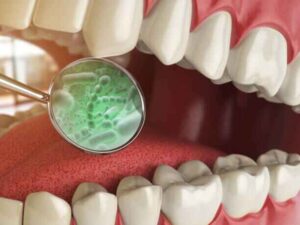
If you are still experiencing bad breath after brushing your teeth, it means that the origin of the smell has not been taken out. The Mayo Clinic elaborates that the primary cause of bad breath (halitosis) is usually bacteria in your mouth. Brushing your teeth effectively cleans the surfaces of your teeth, but bad breath, or halitosis, is rarely about your teeth alone.
When exploring the causes of bad breath, the primary culprit is almost always volatile sulfur compounds (VSCs)—gasses produced by bacteria as they break down proteins in food particles, dead skin cells, and mucus.
Comprehensively grasping the basic causes of bad breath requires going beyond just brushing your teeth. Quite often, it is bacteria that are hiding in the places in your mouth that are difficult to get to. Hence, having fresh breath is not all about your brushing habits but more about locating and cleaning those concealed places.
Is It Normal? When Bad Breath Signals a Deeper Problem
One of the very normal things in life is to happen to have “morning breath” or just a bad breath situation that is temporary after consumption of garlic. However, chronic bad breath that doesn’t resolve with thorough oral hygiene is not normal and should not be ignored, as it can point to specific underlying causes of bad breath that require attention.
If we are to believe the American Dental Association, the bad breath which is continuous could serve as one of the major signs that there might be some problems in your mouth or general health condition.
If your halitosis is habitual and everywhere, then it is your organism’s method of communicating one of the underlying causes of bad breath. Ignoring it is like ignoring a check engine light—the underlying issue will not resolve itself and will likely worsen.
The good news is that locating such an indicator enables you to carry out a very targeted intervention.
The 7 Hidden Causes of Bad Breath: Secret Reasons for Halitosis Even After Brushing
The root causes of bad breath. These are the seven most typical secret sources of continuous bad breath that come with a definite solution for each one.
Hidden Cause #1: A Battleground of Microorganisms (And the Way to Victory)
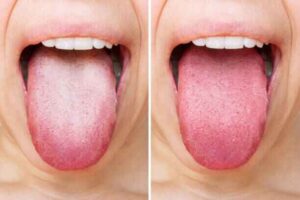
We have to admit that the backside of your tongue is one of the primary reasons for bad breath. The surface of a tongue which is a bit rough has small grooves in it that can easily hold bacteria and food. A white or yellowish film is frequently created at the site which is the main reason for the unpleasant breath.
If you’re wondering how to clean your tongue to prevent bad breath effectively, the answer lies in moving beyond just brushing and using the right tools and techniques to remove this bacterial biofilm.
Why Does the Back of My Tongue Have a Bad Odor? The Unseen Buildup
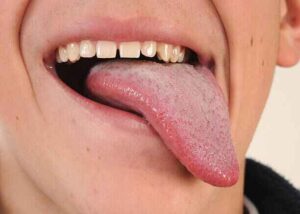
The very back of your tongue is a perfect storm for odor and a leading cause of bad breath. This place is hard to clean, often overlooked during brushing, and located very close to the throat where bacteria from post-nasal drip can gather.
The zone is always warm and wet and, since it is not taken, a thick-layer biofilm of bacteria and rotting matter has flourished there. When the responsible bacteria break down proteins, they release smelly sulfur compounds, which is the main reason for bad breath.
The Fix: How to WIN the Battle
Get a Tongue Scraper: A toothbrush is not designed for the tongue. The most effective way of getting rid of the bacterial biofilm is a dedicated tongue scraper. Nothing comes close.
Actionable Tip: Every morning, gently but firmly pull the scraper from the back of your tongue to the front, rinsing it after each pass.
Brush Your Tongue: If you don’t happen to have a scraper, then a toothbrush will do. Don’t just clean the accessible areas but also the hard-to-reach spots that can be a bit uncomfortable.
Use a Mouthwash Post-Cleaning: After cleaning, use a mouthwash to help flush out the dislodged bacteria. For the best results, we recommend choosing one from our curated list of the best natural mouthwashes that actually work, as they avoid harsh alcohols that can worsen dry mouth.
Hidden Cause #2: Gum Disease Guide: How to Identify and Prevent
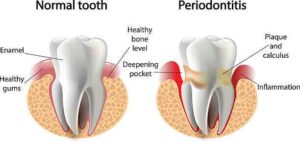
One example is gingivitis which can result in the formation of deep pocket areas between the gums and teeth. These hidden, airless spaces become breeding grounds for odor-producing bacteria that regular brushing cannot reach, making it one of the most common and persistent causes of bad breath.
The Fix: How to REVERSE the Sabotage
Floss Correctly and Daily: It breaks down bacteria at the gum line so that they won’t cause inflammation and form pockets. Actionable Tip: It is better not to snap the floss. Put it on your teeth with gentle pressure.
Consider a Water Flosser: For a deeper clean, a water flosser can be highly effective at flushing out debris from gum pockets.
Professional Dental Cleaning: Only a dentist or hygienist can remove the hardened calculus (tartar) that harbors these bacteria. This is non-negotiable for reversing gum disease.
Hidden Cause #3: Dry Mouth (Xerostomia): When Your Salivary Glands Fail
Mouth saliva plays a role in hygienically cleaning the mouth by removing food and balancing acids. A dry mouth allows bacteria to grow out of control. Among the common reasons, medications, mouth breathing, and caffeine can be named as direct causes of bad breath.
What Causes the Back of My Tongue to Smell? The Dry Mouth Connection
Reduced saliva flow during sleep creates the ideal environment for odor-causing bacteria, which is why “morning breath” is nearly universal. This overnight dry mouth is a primary, though often ignored, culprit among the causes of bad breath. The problem intensifies if you sleep with your mouth open or take medications that cause dry mouth.
The Fix: How to RESTART Your Saliva Factory
Hydrate Strategically: sip water consistently throughout the day.
Use Saliva Stimulants: Chew sugar-free gum or suck on sugar-free lozenges.
Investigate Xylitol: Products containing xylitol not only stimulate saliva but also help reduce cavity-causing bacteria.
Consider a Humidifier: Adding moisture to your bedroom air can combat overnight dry mouth.
Hidden Cause #4: Tonsil Stones (Tonsilloliths): The Rotten Nuggets in Your Crypts (And the Way to EVICT Them)
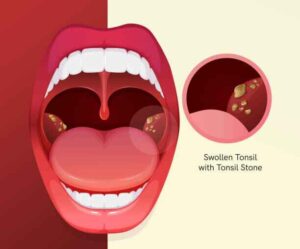
There are hidden pockets in your tonsils called crypts. Tonsil stones (tonsilloliths) form when food debris, bacteria, and dead cells get trapped in these crypts and harden into foul-smelling, white or yellow lumps. They are a direct and potent source of tonsil stones bad breath, which is why so many people search for the best way to get rid of tonsil stones at home.
The Fix: How to EVICT the Nuggets
Gentle Gargling: The essential point is to gargle often and with a lot of force. While salt water is effective, a powerful and natural method is oil pulling with coconut oil, which can help reduce the bacterial load and prevent new stones from forming.
Manual Removal (With Care): Some people use a cotton swab or a water flosser on a low setting to gently push them out.
Caution: Be very gentle to avoid damaging your tonsils.
See an ENT Specialist: For persistent, large, or troublesome stones that cause chronic tonsil stones bad breath, an Ear, Nose, and Throat (ENT) doctor can discuss more permanent solutions.
Hidden Cause #5: Acid Reflux (GERD): The Stomach’s Steamy Backdraft (And How to COOL It)
If you’re searching for how to get rid of bad breath from your stomach, one of the most common causes of bad breath is Acid Reflux or its chronic form, Gastroesophageal Reflux Disease (GERD). It might cause acid from the stomach to flow to the throat and mouth.
This backflow not only has an unpleasant odor itself but also creates an acidic environment in your mouth that the worst odor-producing bacteria love to thrive in.
The Fix: How to COOL the Backdraft
Dietary Modifications: Identify and avoid trigger foods like spicy, acidic, or fatty foods, chocolate, and caffeine.
Don’t Lie Down After Eating: Stay upright for at least 2-3 hours after a meal to keep stomach contents down and prevent reflux, one of the common causes of bad breath.
Elevate Your Head While Sleeping: Using an extra pillow can help.
Consult Your Doctor: A doctor might prescribe a drug to decrease stomach acid.
Hidden Cause #6: Sinus & Post-Nasal Drip: The Mucus Minefield (And How to CLEAR It)
Allergies, colds and sinus problems are frequently the reasons for post-nasal drip which is known to be the major causes of bad breath. The layer of mucus effectively provides a place for the growth of stinky bacteria.
The Fix: How to CLEAR the Minefield
Nasal Irrigation: Using a neti pot or saline nasal spray can help flush out mucus and irritants from your sinuses.
Stay Hydrated: Thin mucus drains easily. Sip water often.
Manage Allergies: Work with your doctor to get allergy symptoms under control with appropriate antihistamines or nasal steroids.
Hidden Cause #7: Underlying Medical Conditions: The internal alarm bell (Don’t ignore it!)
Sometimes, causes of bad breath extend far beyond the mouth, serving as a symptom of a condition elsewhere in your body. Flavorful breath can indicate diabetes ketoacidosis. A suspicious odor can signal kidney issues, while a musty, “mousy” smell is often linked to liver failure.
The Fix: When to LISTEN to the Alarm
Do not self-diagnose. Critical Call to Action: If your bad breath is persistent and doesn’t improve with enhanced oral hygiene, and especially if it’s accompanied by other symptoms, you must see a doctor. True fresh breath comes from within.
Breath Still Stinks After Brushing? Your Plan to Get Rid of Bad Breath for Good
| Time | Action | Key Reason |
|---|---|---|
| Morning | 1. Scrape your tongue. 2. Brush teeth for 2 mins. 3. Floss thoroughly. 4. Use an alcohol-free mouthwash. | Remove overnight bacteria buildup and protect enamel. |
| After Meals | Rinse mouth with water. Chew sugar-free xylitol gum. | Neutralize pH and dislodge food particles. |
| Evening | 1. Floss first. 2. Brush teeth for 2 mins. 3. Scrape tongue. No mouthwash needed. | Ensure a clean oral environment for the 8+ hours of sleep. |
| Weekly | Use a water flosser for a deeper gum clean. | Target gum pockets more effectively. |
| As Needed | Gargle with salt water. Use a humidifier at night. | Manage tonsil stones and combat dry mouth. |
Stick to this scheme for fourteen days. It looks like a large amount, but it will very soon become a habit that not only addresses the causes of bad breath but also ensures you fresh breath and better overall health.
Bad Breath Myths Busted: What Mouthwash, Mints, and Other Quick Fixes Don’t Tell You
Myth 1: For a clean you can’t get with a brush alone.
Truth: Most mouthwashes only mask odor for 20-30 minutes. Products that contain only pure alcohol will be the last thing you want if you have a dry mouth situation because they will definitely make it worse. Use oral hygiene products that are especially created for VSCs and contain such ingredients as chlorine dioxide or cetylpyridinium chloride.
Myth 2: Breath mints only cover up the smell.
Truth: A common cause of bad breath is that of brushing the teeth with very sugary mints, as this can feed the smell-causing bacteria and thus make the matter even worse over time. Pick sugar-free ones only, on the other hand.
Myth 3: There’s no need to scrub so hard.
Truth: Brushing too hard can damage gums and enamel, creating more problems. Be thorough, not rough.
When It is Time to See a Professional: A Dentist or Doctor’s Role in Your Recovery
You are the manager of your daily oral health, but professionals are essential consultants.
See Your Dentist Immediately If: You have bleeding gums, pain, or have not had a check-up in over 6 months. They can spot cavities and gum issues—two major causes of bad breath.
See Your Doctor If: Your bad breath is persistent and oral causes have been ruled out, or if you suspect systemic issues like GERD, diabetes, or sinus infections.
Is it time? Stop delaying and just call to make that appointment you keep putting off. This could change everything, especially if you’re battling one of the more stubborn causes of bad breath.
Frequently Asked Questions (FAQs) About Chronic Bad Breath
How can I cure bad breath coming from my throat?
If the odor seems to be coming deep from your throat, it is most likely that only one of two causes of bad breath is responsible for this.
Tonsil Stones: As detailed above, these rotting nuggets in your tonsils are a primary cause. Stop it from returning.
Post-Nasal Drip: From sinus issues or allergies, mucus dripping down the back of your throat provides a protein-rich food source for bacteria, which is one of the common yet often overlooked causes of bad breath. The cure here involves managing the underlying sinus or allergy condition with nasal irrigation, hydration, and medication if needed.
Addressing these throat-specific issues is often the final key to resolving persistent bad breath that seems immune to normal brushing.
What is the white stuff on my tonsils that causes bad breath?
The white stuff on your tonsils causing bad breath is almost certainly tonsil stones (tonsilloliths), one of the common yet overlooked causes of bad breath. These are hardened accumulations of bacteria, food debris, and dead cells that get trapped in the crevices (crypts) of your tonsils.
As this material decomposes, it releases volatile sulfur compounds, which are the same smelly gases that cause bad breath. They are a common and treatable cause of persistent halitosis.
Can acid reflux cause bad breath?
Yes, acid reflux (or GERD) is a very common cause of bad breath that does not resolve with brushing—and it is one of the key medical causes of bad breath. Here is how it works: When stomach acid and partially digested food flow back into your esophagus and mouth, it introduces both an unpleasant odor and creates an acidic environment that odor-producing bacteria thrive in.
This is why masking the smell with mints or mouthwash does not work—the source is internal. For a complete breakdown of how to identify and fix this specific issue, see our detailed section on Hidden Cause #5: Acid Reflux (GERD): The Stomach’s Steamy Backdraft.
Why does my breath smell bad?
Bad breath is primarily caused by bacteria in your mouth breaking down food particles and other debris, releasing smelly volatile sulfur compounds (VSCs). The key to eliminating these causes of bad breath is to remove the bacteria’s food source and hiding places.
What causes bad breath after brushing?
Brushing does not remove bacteria from their primary hiding spots: the deep crevices of your tongue, the pockets between your gums and teeth, and your tonsils. If these areas aren’t cleaned, bad breath will persist—one of the most common causes of bad breath is this overlooked buildup.
Why does my breath smell bad after brushing my teeth?
The causes of bad breath often run deeper than surface stains. This signals the odor is likely not just from your teeth. Fresh breath comes from the source. Make your routine complete: clean your tongue, floss well, and tackle hidden causes like dry mouth and tonsil stones.
Can bad breath persist if you brush your teeth well?
Absolutely, yes. This is the entire premise of this article. You can brush perfectly and still have bad breath. That is because chronic halitosis points to an issue beyond your toothbrush. This is exactly why getting to the bottom of the causes of bad breath matters so much.
Why is bad breath so bad?
The main causes of bad breath are often potent because the volatile sulfur compounds (like hydrogen sulfide – which smells like rotten eggs) are the same compounds that give decomposing matter its smell. We have really sensitive noses.
Can a stomach problem be the real cause of my bad breath?
Correct. A major culprit of bad breath is acid reflux, also known as GERD. The mechanism is straightforward—stomach acids and odorous gases’ backflow directly into the throat and mouth. What’s more, other co-occurring digestive disorders can intensify the problem. If solid oral hygiene does not sort it out, you have to see a doctor.
What are the signs of tonsil stones?
You often feel something stuck in your throat. Swallowing gets tricky in those cases. A cough that just hangs around can be part of it too. You will also almost always experience bad breath—tonsil stones are actually one of the key causes of bad breath (halitosis). You could even spot them yourself as those white or yellow lumps sitting on your tonsils.
Conclusion: Get fresh breath, starting now.
You came here looking for answers about the causes of bad breath, tired of quick fixes that never worked. Now, you have the missing piece: genuine insight. You have discovered the 7 Hidden Causes—from the microscopic warzone on your tongue to underlying internal signals—and you hold a clear, actionable blueprint to resolve them for good.
Fresh breath is not found in a stronger mint, but in becoming a detective of your own health. You have the map. The final step is to take action.
Causes of bad breath got you down. Your solution is here. Make one small change today. That fresh breath confidence is closer than you think.