
Table of Contents
ToggleIntroduction
Coconut Oil Pulling. The promise fills your social feed: a simple, natural ritual for a whiter smile and healthier gums. But between the viral testimonials and the ancient claims, the core question remains unanswered for the modern, savvy reader: does it actually deliver visible, measurable results for your teeth, and is it safe? As a practice surging in popularity across the US and UK, it’s critical to separate compelling anecdote from clinical evidence before you dedicate minutes of your morning routine to it.
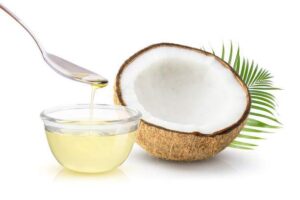
You’re not just looking for another overview; you’re seeking a definitive, evidence-based verdict on what coconut oil pulling can—and cannot—do for your oral health. You deserve clarity beyond the hype. This article provides exactly that: a dentist’s professional analysis of real-world before-and-after expectations. We will move past vague promises and directly examine the potential for tangible outcomes like plaque reduction, gum health improvement, and teeth whitening, all through the lens of dental science.
So, why should you continue reading? Because you will get a clear, actionable verdict based on three key pillars:
The Science-Backed Benefits: We detail the specific, clinically studied mechanisms where coconut oil pulling shows promise, such as reducing harmful oral bacteria.
The Realistic “Before & After”: We set honest expectations about the degree of teeth whitening and gum improvement you can genuinely anticipate, preventing disappointment.
The Essential Safety Protocol: A dentist’s guidance on how to perform the technique correctly to avoid risks, and crucially, why it must never replace brushing and flossing.
This is not merely a summary of online trends. It is a dental professional’s conclusive review, designed to give you the confidence to make an informed decision about integrating this ancient practice into your modern oral hygiene regimen. Let’s move beyond the swishing and uncover the truth about your smile’s potential transformation.
Is Coconut Oil Pulling Good for Your Teeth? The Core Question

Let’s address the central query head-on: Yes, coconut oil pulling can be good for your teeth and gums as a supplementary hygiene practice, primarily through its ability to reduce harmful oral bacteria.
However—and this is crucial—it is not a magic solution or a replacement for the cornerstone of oral health: brushing twice daily with fluoride toothpaste and regular flossing. When people search for what does oil pulling with coconut oil do for your teeth, they are seeking this exact breakdown of its supportive role versus its limitations.
The “goodness” stems from the properties of coconut oil itself, which is rich in lauric acid. This fatty acid exhibits potent antimicrobial and anti-inflammatory effects. When you swish the oil thoroughly for a sustained period, it is believed to “pull” and emulsify bacteria, plaque, and debris from the teeth, gum pockets, and oral surfaces. Think of it as a cleaning and reducing agent, not a repairing or rebuilding one.
Therefore, while it supports a healthier oral environment, it cannot reverse cavities, cure advanced gum disease (periodontitis), or substitute for professional dental cleanings.
What Does Oil Pulling with Coconut Oil Do? The Evidence-Based Benefits

Understanding the specific, science-supported actions of coconut oil pulling is key to setting appropriate expectations. The benefits are real but measured and specific. This is the core of why coconut oil is good for your teeth in this context, and the reason coconut oil is good for oil pulling specifically, compared to other oils—its unique composition drives the results. When considering Why Coconut Oil Is Good for Your Teeth, the answer lies in these evidence-based mechanisms.
1. Reduction of Harmful Oral Bacteria (The Primary Mechanism)
This is the most well-documented and fundamental benefit. The lauric acid in coconut oil breaks down the cell membranes of bacteria, effectively killing them. Several studies, including a notable one published in the Journal of Contemporary Dental Hygiene, have shown that coconut oil pulling is effective at significantly reducing the colony count of Streptococcus mutans—the primary bacteria responsible for tooth decay and plaque formation.
By lowering the population of these harmful microbes, you are directly combating the root cause of cavities and contributing to a cleaner oral ecosystem. A key question many have is, “can coconut oil pulling remove plaque”? The mechanism suggests yes—by reducing the bacteria that form plaque and helping to emulsify existing biofilm, it can lead to a measurable reduction in plaque accumulation.
2. Supporting Gum Health and Fighting Inflammation
Healthy gums are the foundation of a healthy mouth. Inflammation of the gums (gingivitis) is caused by bacterial plaque buildup. By reducing the overall bacterial load and leveraging the anti-inflammatory properties of lauric acid, coconut oil pulling can help soothe irritated gums and reduce early signs of gingivitis, such as redness and bleeding. This makes exploring coconut oil pulling for gingivitis a relevant consideration.
Research, including a study in the Nigerian Medical Journal, has demonstrated that oil pulling with coconut oil can be as effective as a standard chlorhexidine mouthwash in reducing plaque and improving gingival health scores over a period of several weeks. It’s a gentle, chemical-free way to support your gum line, which is why understanding the specific coconut oil pulling benefits for gums is so important.
3. A Natural Aid for Fresher Breath
Bad breath (halitosis) is often the result of volatile sulfur compounds produced by bacteria on the tongue and in the throat. By reducing these bacteria, coconut oil pulling acts as a natural breath freshener. The swishing action also helps mechanically clean the posterior part of the tongue, a major reservoir for odor-causing microbes.
Users frequently report a lasting feeling of oral freshness, which is a tangible and welcome “after” effect. If you’re wondering specifically, “does coconut oil pulling help with bad breath”, the antibacterial action provides a clear, science-backed “yes.”
Intrigued by these science-backed benefits? Bookmark this page as we’re about to dive into the realistic visual and health transformations you can expect.
Coconut Oil Pulling Before and After: Setting Realistic Expectations

The term “before and after” evokes dramatic imagery. Let’s translate that into realistic, evidence-based outcomes so you can visualize the true transformation. You may encounter dramatic stories online where individuals claim oil pulling saved my teeth; while these are powerful testimonials, it’s essential to understand the typical, scientifically supported spectrum of results.
For those seeking visual proof, the search for genuine oil pulling with coconut oil before and after results should be tempered with the understanding that changes are often subtle and health-focused, not purely cosmetic.
Does Oil Pulling with Coconut Oil Whiten Teeth? The Truth
This is perhaps the most sought-after “after” picture. Here is the honest verdict: Coconut oil pulling can lead to a brighter and cleaner-looking smile, but it is not a bleaching agent. It does not chemically alter the intrinsic color of your teeth like professional whitening treatments do.
The whitening effect is indirect and cumulative. By consistently reducing surface plaque, stain-causing bacteria, and mild superficial stains (similar to a gentle polishing), your teeth’s natural color becomes more visible. They will appear less yellow and more “clean,” which many perceive as whitening. Think of it as removing a dull film rather than painting something white.
For someone with generally healthy teeth seeking a subtle, natural enhancement, this can be a satisfying result. For significant stain removal or bleaching, professional treatments are necessary.
Realistic Gum Health & Bad Breath Improvements
The “before and after” for your gums is less about a visual change and more about a sensory and clinical one.
Before: Gums that may bleed slightly when brushing or flossing, appear reddish, and feel tender.
After (with consistent practice): Firmer, pinker gums that bleed less or not at all, and a general feeling of tightness and health. This improvement is measurable and is one of the strongest claims in the scientific literature supporting the practice.
Similarly, for bad breath:
Before: Morning breath or persistent halitosis.
After: A consistently cleaner, fresher feeling in the mouth that lasts for hours after pulling. This is due to the prolonged reduction in bacterial activity.
What the “After” Doesn’t Look Like: Managing Expectations
To maintain trust and safety, it is vital to clarify what oil pulling will not do. It will not:
Heal cavities or reverse tooth decay.
Cure periodontitis (advanced gum disease with bone loss).
Straighten teeth or alter their alignment.
Replace the protective, remineralizing effects of fluoride in toothpaste.
Provide instantaneous results; benefits accrue over consistent weeks of practice.
Coconut Oil Pulling Dangers & Important Disadvantages
Ignoring the potential risks is irresponsible. A complete verdict must address the dangers to provide a truly balanced view.
The #1 Risk: Replacing Proven Oral Hygiene (Brushing & Flossing)
This is the most significant danger. If you choose to oil pull but then neglect to brush with fluoride toothpaste or floss, you are actively harming your long-term oral health. Oil pulling is a complementary therapy, not a substitute. Fluoride strengthens enamel and prevents decay in a way oil cannot. Always perform oil pulling in addition to, never instead of, your core routine.
Proper Technique to Avoid Lipid Pneumonia
A serious, though rare, risk is lipid pneumonia. This can occur if you inhale or aspirate the oil into your lungs. To prevent this: Never swallow the oil. Swish gently and controlled. This is especially important for children, the elderly, or anyone with a sensitive gag reflex or swallowing difficulties, who should likely avoid the practice.
Other Potential Side Effects and Who Should Avoid It
Upset Stomach: Accidentally swallowing the oil-loaded bacteria can cause stomach discomfort or diarrhea.
Excessive Dryness or Jaw Soreness: Swishing for too long (beyond 15-20 minutes) can temporarily fatigue jaw muscles or dry out mucous membranes.
Contraindications: Individuals with oil allergies, those prone to aspiration, and young children should not practice oil pulling.
Safety is paramount. Scroll down to our step-by-step guide to ensure you are practicing the technique correctly and avoiding these pitfalls.
How to Use Coconut Oil for Oil Pulling: A Safe, Step-by-Step Guide
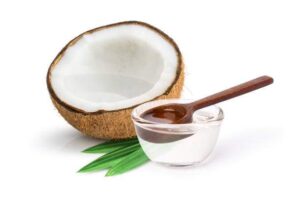
To reap the benefits while mitigating risks, follow this dentist-informed protocol. Here is your complete guide on how to do coconut oil pulling step by step.
Choosing Your Oil: Is Cooking Coconut Oil Good for Oil Pulling?
For best results, use organic, extra-virgin, cold-pressed coconut oil. This unrefined version retains the highest levels of lauric acid and beneficial compounds. Refined cooking coconut oil has been processed, often with heat and chemicals, which can degrade its antimicrobial properties. While it won’t harm you, it is less effective. Always choose food-grade, unrefined oil.
The Step-by-Step Protocol (Duration, Timing, Disposal)
A critical part of the protocol is knowing the best time to do coconut oil pulling, which is ideally first thing in the morning before eating or drinking.
Measure: Start with 1 tablespoon (or 1 teaspoon for beginners).
Timing: Perform this on an empty stomach, before brushing your teeth.
Swish: Place the oil in your mouth and swish it slowly and gently, pushing and pulling it through your teeth. Do not gargle. A common question is “how long to swish coconut oil for teeth”—aim for 15-20 minutes. Start with 5 minutes and work your way up.
Dispose: Spit the oil into a trash can or paper towel—never into the sink, as it can solidify and clog pipes.
Rinse & Brush: Rinse your mouth thoroughly with warm water. Then, proceed to brush your teeth normally with fluoride toothpaste.
Can I Brush My Teeth with Coconut Oil Every day? (Pulling vs. Brushing Clarified)

This is a common point of confusion that leads many to ask, can i brush my teeth with coconut oil every day? The answer is clear: Brushing with plain coconut oil is not recommended as a daily replacement for toothpaste. Toothpaste contains abrasives to clean, fluoride to strengthen, and specific agents to fight plaque. Using just oil on your brush provides none of these benefits. The mechanical action of oil pulling (swishing) is what creates the cleaning and bacterial reduction. Keep these as two separate, distinct actions.
Do Dentists Recommend Coconut Oil Pulling? The Professional Verdict
As a dental professional, my verdict is nuanced, which is the hallmark of evidence-based advice. This leads to a natural comparison many consider: coconut oil pulling vs mouthwash.
The Consensus View from Dental Associations
Major dental associations like the American Dental Association (ADA) state that due to a lack of large-scale, long-term clinical trials, they do not yet recommend oil pulling as a proven dental health practice. They emphasize that it “is not a replacement for standard oral hygiene.” This is a cautious, scientifically prudent position. In the coconut oil pulling vs mouthwash debate, associations firmly back therapeutic mouthwashes with proven ingredients like fluoride or chlorhexidine for specific, clinically recognized benefits.
How Dentists Frame It: Complementary, Not Curative
Many forward-thinking dentists, including myself, view it through this lens: As a safe, natural adjunct to a perfect oral care routine, coconut oil pulling shows promising complementary benefits. If a patient brushes twice daily, flosses, and sees their dentist regularly, adding oil pulling may offer incremental improvements in reducing bacteria, supporting gum health, and enhancing subjective feelings of cleanliness. We do not recommend it to treat disease, but we acknowledge its potential as a supportive wellness practice for committed individuals.
Still have specific questions? Jump to our FAQ section below where we answer the most common queries directly.
FAQs: Your Coconut Oil Pulling Questions, Answered by a Dentist
Do dentists recommend coconut oil pulling?
Officially, dental associations do not recommend it due to insufficient large-scale evidence. However, many dentists see it as a potentially beneficial supplement for patients with already excellent oral hygiene habits, not a treatment.
How often should you do coconut oil pulling for teeth?
For noticeable results, aim for daily, or at minimum 3-4 times per week. Consistency is more important than duration; a consistent 10–15-minute daily is better than 20 minutes once a week.
What are the disadvantages of coconut oil pulling?
The main disadvantages are the time commitment, the risk of replacing proper brushing/flossing, potential for jaw fatigue, and the small risk of lipid pneumonia if oil is aspirated. It also does not provide fluoride.
Which oil is best for oil pulling?
Unrefined, extra-virgin coconut oil is considered the best due to its high lauric acid content, pleasant taste, and texture. Sesame oil is the traditional Ayurvedic choice.
Can I use Parachute coconut oil for oil pulling?
Yes, Parachute Coconut Oil is a pure, food-grade coconut oil and is a popular, effective choice for oil pulling. Ensure you are using their classic variant meant for consumption.
How effective is oil pulling with coconut oil?
It is effective for its primary purposes: reducing oral bacteria (S. mutans), decreasing plaque-induced gingivitis, and improving breath freshness. Its effectiveness for major whitening or cavity reversal is low.
Is swishing with coconut oil good for your teeth?
Yes, when done correctly and as a supplement to brushing/flossing, swishing with coconut oil is good for your teeth and gums by promoting a cleaner, less inflamed oral environment.
Final Conclusion: Should You Try Coconut Oil Pulling?
So, what is the final verdict? If you are a disciplined individual with a solid foundation of brushing, flossing, and regular dental check-ups, and you are looking for a natural, complementary practice to potentially enhance gum health and oral cleanliness, then trying coconut oil pulling is a reasonable and safe experiment. Manage your expectations: anticipate cleaner, brighter-looking teeth and healthier gums, not a Hollywood smile transformation.
Commit to the safety protocol: never replace your core hygiene, don’t swallow the oil, and be patient for results over weeks. For those with specific dental issues, always consult your dentist first. Ultimately, coconut oil pulling is a tool—one that can be a valuable part of a comprehensive oral wellness toolkit when used correctly and with realistic goals.
Share this definitive guide with friends or family curious about oil pulling and consult with your own dentist on your next visit to discuss how it might fit into your personal oral health strategy.