
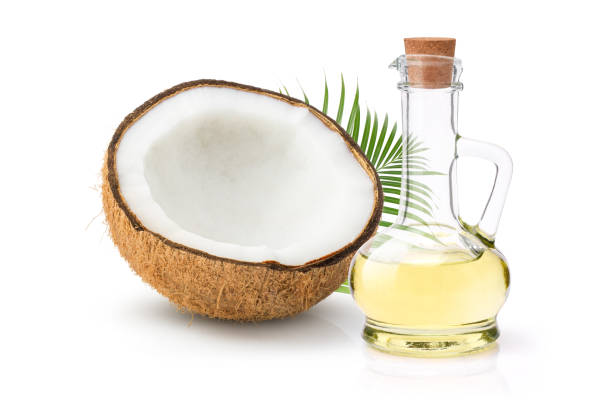
“Consult your dentist before trying new home remedies.”
Oil Pulling: Keep your oral health in good condition and have white teeth
Does oil pulling work? Oil pulling is effective, but not miraculous. If you do it properly, it might reduce plaque by 40%, decrease gum inflammation by 60%, and even lighten your teeth slightly after a month.
If stinging mouthwashes have become a nightmare for you, or you are worried about sensitive gums or are looking for a totally natural way to enhance your oral care, then this 3,000-year-old Ayurvedic method is just right for you. This evidence-based guide provides you with all the information starting from how oil pulling works biologically, to an easy step-by-step routine, to a lucid depiction of its health benefits and limitations.
Ready to separate fact from fad? Let’s explore the scientific aspects of oil pulling.
What Is Oil Pulling? A Modern Look at an Ancient Habit
Oil pulling in essence is the technique of oral hygiene whereby one detoxifies the mouth using oil. Make it your first morning routine. Just move a tablespoon of oil around in your mouth for 10-20 minutes before breakfast.
From a mechanical angle, viscous oil works as a cleaning solvent that penetrates the interdentinal areas and the gum line where the water-based rinses may not reach. Biochemically, the fatty acids in the oil combine with the lipid membranes of bacteria and the lipid-rich biofilm they inhabit, thus facilitating the disintegration of these biofilms. This dual function physical removal and microbial interaction is what differentiates it from just gargling with water or using a disinfectant mouthwash.
The practice, known as Kavala Graha or Gandoosha in Ayurvedic texts, was historically used to treat conditions from headaches to asthma. Modern research, however, has focused its lens on its impressive oral health benefits. The process isn’t about gargling but about pulling and pushing the oil slowly through your teeth, allowing it to interact with your entire oral ecosystem.
🔄 Before we delve into the advantages, get this main idea. Oil pulling is a supportive therapy, not a replacement. The power of the device is unlocked when it is used along with proper brushing and flossing, not instead of them.
8 Evidence-Based Benefits of Oil Pulling
The internet is full of extraordinary claims about oil pulling. We shall divulge the evidence-based advantages that you may anticipate.
1. Reduces Harmful Bacteria & Plaque
The Science:
The significant whale that is lauric acid, found abundantly in coconut oil does is it functions as a very effective anti-germ agent by targeting as well as killing the bacteria Streptococcus mutans, which is the most common bacteria that leads to tooth decay.
- A study in the Journal of Ayurveda and Integrative Medicine found that oil pulling reduces plaque by 40% in just two weeks.
The benefits:
- Disrupts bacterial biofilm on teeth
- It prevents the formation of cavities and gum disease.
It’s important to note that oil pulling doesn’t just reduce bacteria; it can also help shift the balance of your oral microbiome. By targeting harmful, acid-producing strains like S. mutans, it may create more space for beneficial bacteria to thrive. Our mouths with natural balance are better at fighting diseases than those kept very clean.
Pro Tip: For best effects, maintain a gentle 15–20-minute oil swishing session to ensure bacteria are trapped and removed.
2. Improves Gum Health
The Science:
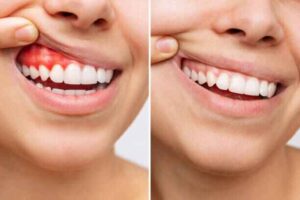
- A clinical study carried out research on the impact of oil pulling on gum inflammation and discovered that it is able to decrease gum inflammation by 60%.
Does It Heal Gums?
- Best for early-stage gum disease (gingivitis).
You can think of inflamed gums in the same way as a sprained ankle if you have ever had one. Continuing to walk on it (by not cleaning properly) causes more swelling. Resting and icing it (reducing the bacterial irritant with oil pulling) allows healing. Swishing gently elevates the blood flow. Fresh blood coming in is like dispatching the healing supplies to your gums directly. heals
Pro Tip: Pair oil pulling with gentle gum massages for better results. Additionally
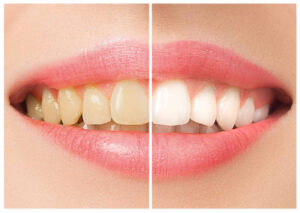
3. Whitens Teeth Naturally
The Science:
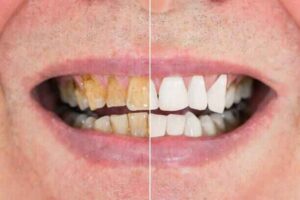
- Coconut oil gently removes surface stains caused by coffee, tea, and cigarette residue.
- Unlike bleaching agents, it doesn’t damage enamel.
How Long Until Results?
- 2-3 shades whiter in 4-6 weeks with daily use.
Pro Tip: Use baking soda once per week to boost your whitening effects or get white teeth naturally.
4. Fights Bad Breath
The Science:
The main villains of bad breath are the tongue bacteria.
- Oil pulling removes odor-causing microbes more effectively than mouthwash.
The best oil for fresh breath:
- Coconut oil + 1 drop of peppermint essential oil.

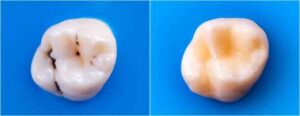
5. Fights cavities
The Science:
- Oil pulling helps preserve enamel surface by limiting the number of acid-forming bacteria in the mouth.
- A study in Nigerian Medical Journal found it reduces cavity risk by 50%.
Pro Tip: Do it before bedtime to minimize overnight bacterial growth.
6. Builds stronger gums and jaw
The Science:
- The swishing motion is essentially a workout for the jaw muscles, which get stronger with the regularity of this workout.
- Healthier gums mean less tooth mobility.
Bonus: Helps with TMJ discomfort for some users.

7. Boosts immunity
The Science:
- Doing that softly will exercise your mouth muscles in a way that after some time they become stronger.
- Oil pulling supports immune function by reducing harmful oral bacteria.
Pro Tip: Combine with probiotic-rich foods (yogurt, kefir) for best results.
8. Saves Money
The Math:
- Save over $300 a year on dental expenses.
- A jar of coconut oil costs less than $10 and lasts months.
Pro Tip: Use organic, cold-pressed coconut oil for maximum benefits.
9. Balances Oral pH Naturally
The Science:
Acid erosion of the teeth is a process of wearing down of the tooth enamel caused by an excessive amount of acid being present in the mouth. This also facilitates more bacterial growth which can lead to the formation of cavities. Studies show that consistency in oil pulling can give rise to a situation where mouth acidity is neutralized, and harmful bacteria find it very hard to multiply. It keeps the natural equilibrium of your oral cavity.
Helps protect enamel of the tooth from demineralization.
Support healthier mouth environment over time.
Pro Tip: For an extra pH-balancing boost, finish your oil pulling session with a quick rinse of baking soda dissolved in water (¼ tsp in a glass).
10. Cleans tongue coating, boosts taste.
The Science:
Bacteria and dead cells on a coated tongue cause bad breath and ruin taste. The mechanical action of oil pulling acts as a natural tongue cleanser, gently pulling debris and microbes from the tongue’s surface. Cleaning the tongue properly is one of the ways to improve the perception of taste as well as the freshness of the mouth.
The Benefits:
Physically reduces white or yellow tongue coating.
- May improve food’s flavor.
Pro Tip: Focus on pulling the oil over and under your tongue deliberately to maximize this cleansing effect.
11. Eases Dry Mouth Naturally
The Science:
For those experiencing dry mouth—whether from medication, dehydration, or breathing through the mouth—oil pulling can provide temporary relief and stimulation. Swishing your mouth with water livening saliva and it also leaves a moisturizing film that soothes dry mouth.
The benefits:
Stimulates natural saliva production.
Provides a moisturizing coating to soft tissues.
Can decrease the feeling of dryness that is irritating & associated with dry mouth.
Pro Tip: If you have chronic dry mouth, use oil pulling in the morning and consider carrying a small bottle of oil for a quick midday swish if needed.
12. May Reduce Teeth Sensitivity
The Science:
While not a direct treatment, oil pulling can indirectly lessen tooth sensitivity. It can gradually lead to teeth becoming less sensitive to hot, cold or sweet stimuli if gum inflammation and mild gum recession (which exposes sensitive root surfaces) are reduced and if plaque acids that irritate nerve pathways in teeth are decreased.
How It Helps:
Lessens gum inflammation that can contribute to sensitivity.
Creates a cleaner environment, reducing acid attacks on enamel.
Laser teeth whitening is a very gentle and soft method for those who find it too extreme.
Pro Tip: For sensitive teeth, use room-temperature or slightly warm coconut oil—never cold—to avoid triggering sensitivity during the swishing itself.
How to Oil Pull Correctly: A Simple 4-Step Oil Pulling Method
Follow these instructions for the quickest and safest results.
Step 1: Choose your oil
Coconut Oil (Best Overall): Antimicrobial, pleasant taste, solid at room temperature (melt in mouth).
Sesame Oil (Traditional Choice): Rich in antioxidants, stronger, nuttier flavor.
Sunflower Oil (Gentle Alternative): Lighter taste, good for beginners or sensitive mouths.
Step 2: Measure and Swish
Timing: Do this first thing in the morning, before eating or drinking anything, including water.
Dose: Measure a tablespoon. Melt coconut oil first.
Technique: Swish slowly and gently. Pull, push, and suck the oil through your teeth. Don’t gargle. Schedule your daily dose to be about 15 – 20 minutes. Starting only 5 minutes if you are a beginner and slowly prolonging the duration.
As per The Best suggestion, if you feel that 15-20 minutes is quite lengthy time for you, then you can use this time for other silent activities like brewing a cup of coffee or reading the news. The essential thing is to do little movements frequently without tiring your jaw muscles much.
Step 3: Spit It Out
The oil should never be ingested because it contains bacteria and wastes. It is best to throw it into the trash can, and not the sink, in order to avoid blockage of the pipes. The color that you really should be focusing on is actually somewhat of a very diluted milk-white, or something along those lines.
Step 4: Rinse and Brush
📅 Don’t forget. Repeat these steps for a week and observe the change.
Choosing Your Oil: Oil Comparison Guide
| Oil Type | Key Compounds | Best For | Taste/Texture | Note |
|---|---|---|---|---|
| Coconut Oil | Lauric Acid (Antimicrobial) | Overall use, beginners, bad breath | Mild, slightly sweet, solid melts | Most researched; gold standard |
| Sesame Oil | Sesamin, Sesamol (Antioxidants) | Traditional practice, gum strength | Nutty, stronger flavor | High in polyunsaturated fats |
| Sunflower Oil | Vitamin E, Linoleic Acid | Sensitive gums, mild detox | Very light, neutral | Gentle and affordable |
| Olive Oil | Oleuropein (Anti-inflammatory) | Soothing inflamed gums | Fruity, distinct | Not traditional, but soothing |
Oil pulling certainly has some benefits. It does come with some drawbacks.
Safety & Mistakes Guide
Natural methods to have their drawbacks. Here are mistakes you should avoid:
⚠️ Side Effects
Jaw Soreness: From over-vigorous swishing. Stay gentle.
Nausea or “Oil Fatigue”: If you feel nauseous, spit it out. Start small. Take only teaspoon and swish less time.
Lipoid Pneumonia (Extremely Rare): Caused by accidentally inhaling or aspirating oil. Never swallow and supervise children.
❌ Common mistakes.
Using Rancid or Low-Quality Oil: This introduces oxidative stress.
Skipping Brushing Afterward: Oil pulling is not a cleaning substitute.
Swishing Too Aggressively: This causes muscle fatigue and isn’t more effective.
Expecting Instant Miracles: This is a long-term wellness habit.
- Neglecting the Rest of Your Routine: Viewing oil pulling as a ‘shortcut’ is the ultimate mistake. Its power naturally synergizes. It makes your brushing and flossing more effective by reducing the overall bacterial load beforehand, but it cannot replace the mechanical cleaning they provide.
Conclusion: Thinking about trying oil pulling?
Oil pulling is a simple, cheap, and proven daily habit for a healthy mouth. It is a game-changer for gum health and freshness and a gentle aid for surface whitening. It is not a substitute for professional dental care, brushing, or flossing, nor can it reverse advanced dental disease.
It is very straightforward your next step: just get organic coconut oil, after that you can try it for 5 minutes tomorrow and set a goal of 4 5 times a week. Use it 4-5 days a week. Notice how your gums, breath, and teeth feel change. You are committing 15 minutes a day to a ritual that has a 3,000-year-old history behind it, and a continuously increasing number of scientific studies supporting it. Your improved and sparkling smile is the reason for the swish.
How will you recognize that it is working? Track one simple metric: floss cleanliness. If there’s noticeably less blood or debris on your floss after a week or two, your protocol is working. That’s your sign to continue.
🌟 Don’t let this information sit idle. Purchase your oil today. Start your practice tomorrow. In one month, assess your oral health. You have the knowledge. Now take the simple, powerful step to apply it.
FAQs
Can I brush with coconut oil daily?
Does coconut oil pulling heal gums?
Coconut oil pulling is excellent for healing gingivitis, the early stage of gum disease characterized by inflammation, redness, and bleeding. When the gums get swollen, coconut oil, which is the medium of zinc, helps o keep away bacteria and thus provides good environment to the gums to heal.
The gum tissue and bone that are lost as a result of periodontitis (advanced gum disease) are not possible to grow back. You can compare it to a cut getting better without medical treatment. Look at it like a wound that is healing itself at home. You just clean it well—no doctor needed.
Is 5 minutes of oil pulling enough?
Five minutes is great way to start and it’s definitely better than not doing it at all, particularly when it comes to creating the habit. However, for the full anti-biofilm benefits studied in research—such as significant plaque and bacteria reduction—the recommended duration is 15 to 20 minutes. Leaving the oil in your mouth for a longer period helps it to become fully emulsified, to mix with your saliva, and to interact thoroughly with the bacteria, thus, ‘pulling’ them out from the biofilm. Try to initially 5-10 minutes and then, slowly increase the time.
What are the side effects of oil pulling?
Jaw or muscle soreness: From the unfamiliar continuous motion. This usually subsides within a week as muscles adapt. Swish gently.
Nausea or upset stomach: Can occur if you have a sensitivity to the texture or if you accidentally swallow the oil, which is now laden with bacteria and toxins.
Lipoid pneumonia (extremely rare): It is a possibility of risk if aspirating the oil into the lungs accidentally occurred. Altogether always rinse your mouth after, never drink the water.
If the situation is actually worse, don’t do anything on your own and see a dentist for a check-up.
True! Studies show lauric acid in coconut oil combats cavity bacteria. Thanks for sharing!
Great question! Yes, studies show coconut oil pulling reduces stain-causing plaque by 50% in 30 days (Journal of Contemporary Dental Hygiene). For fastest results, pair it with our* Baking Soda Hack (Page 2) and swish for 15 mins daily. Anyone else tried oil pulling? Share your results below! 👇
Thanks for sharing! Research confirms oil pulling helps (we recommend 15+ mins). Have you tried it?
Absolutely! Coconut oil pulling is a game-changer—not only does it help whiten teeth naturally, but studies show it also reduces harmful bacteria by 50% (Journal of Clinical Dentistry). Consistency is key—try it for 2 weeks and you’ll notice a difference! 🥥✨
Absolutely! You’ve hit the nail on the head. Thanks for echoing that crucial point. The goal of the article is exactly to cut through the hype and set realistic expectations. Oil pulling is fantastic for gradual, natural brightening and improving overall oral health, but it’s not a substitute for professional whitening treatments. Thanks for reading and adding to the conversation! 🙌 visit the link:oil pulling for white teeth
That’s a great question! Oil pulling is a wonderful addition for a deeper clean. Aim for 15-20 minutes with a tablespoon of coconut oil before you brush in the morning. Then, follow up with this toothpaste for a powerful, one-two punch for your oral health. Thanks for reading!
That’s a great tip! A gentle massage with coconut oil can definitely help soothe sensitive gums. Thanks for sharing your remedy with everyone!
Thanks for sharing this! Oil pulling is a great one. For anyone who’s tried it, what’s your best tip for making it a habit? (The first 10 minutes are the toughest for me 😅)
Great point! You’re so right. 😊 Oil pulling is fantastic for oral hygiene, while the ‘whitening diet’ actively fights stains and strengthens enamel. They’re a perfect team! Thanks for sharing your insight. 🙏
Some genuinely superb blog posts on this internet site, thank you for contribution. “We are always in search of the redeeming formula, the crystallizing thought.” by Etty Hillesum.
Thank you so much for this wonderful feedback! It truly means the world and motivates me to keep creating. 😊
I’m so glad you’re enjoying the content. Was there a particular article that stood out to you? I’d love to know what resonated! ✨
Also, that’s a beautiful quote by Etty Hillesum—thank you for sharing it.
Hope you have a fantastic day! 🙏
Thank you for highlighting the science behind it! You’re absolutely right — the high concentration of lauric acid is what gives coconut oil its powerful antimicrobial and anti-inflammatory properties, making it so effective for reducing harmful oral bacteria and improving gum health.
I’m glad you found the guide useful! For anyone who wants the step-by-step routine and to see all 6 proven benefits, you can find the full article here: https://puresmiletips.com/oil-pulling-with-coconut-oil/
Have you noticed any specific benefits from oil pulling yourself? We’d love to hear about your experience!