
Introduction
Do you want to learn how to whiten teeth naturally at home without baking soda? You’re not alone. Many seek a brighter smile without risking enamel damage or tooth sensitivity. The good news is that achieving noticeable results is entirely possible with safer, gentler alternatives. This guide provides the clear, dentist-approved answer you’re searching for: seven effective, baking-soda-free methods that leverage natural ingredients and proven habits to lift stains and enhance your smile’s brilliance.
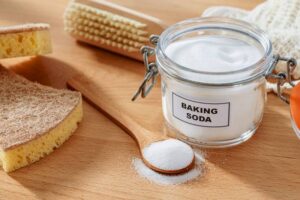
You might wonder: if baking soda is off the table, what actually works? Can fruits, oils, or simple dietary changes make a real difference? More importantly, how can you ensure these methods are safe for your long-term oral health? This article cuts through the confusion and internet hype. We will move beyond generic advice to deliver a structured, evidence-based protocol. You will discover not just what to do, but the precise how and why behind each method, empowering you to make informed choices for your smile.
Continue reading because this is more than a list of home remedies. This is a professional blueprint for natural whitening, designed to give you:
Targeted Stain Removal: Learn which specific compounds in foods and how certain techniques directly combat the two main types of tooth stains—extrinsic (surface) and intrinsic (deeper).
Enamel-Safe Protocols: Understand the exact methods and frequencies to use for each suggestion, ensuring you brighten your teeth without harming their protective enamel layer.
Sustainable Daily Habits: Integrate these practices seamlessly into your existing routine for lasting results, supported by the fundamental oral hygiene that keeps your teeth healthy first and white second.
This guide synthesizes traditional wisdom with modern dental understanding. It is designed for the discerning individual who values a radiant smile but prioritizes the long-term health of their teeth. Let’s explore the seven gentle, effective paths to a naturally whiter smile.
Understanding Tooth Discoloration: The Science Behind Yellow Stains
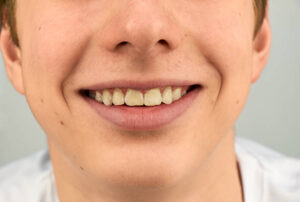
To whiten teeth effectively, you must first understand why they darken. Tooth discoloration isn’t a single issue; it’s typically categorized into two main types, and knowing which you have determines the best approach. Many people search for safe home remedies for yellow teeth, and the first step is identifying if the yellowing is on the surface or comes from within.
Extrinsic Stains are the most common and the primary target of natural home methods. These are surface-level discolorations caused by pigmented particles from food, drinks, and habits adhering to the dental plaque or the protein-rich pellicle on your enamel. Common culprits include coffee, red wine, tea, dark berries, and tobacco. These stains often appear yellow or brown and, importantly, are the type that the methods in this guide are designed to address.
Intrinsic Stains occur within the tooth structure itself, in the dentin layer beneath the enamel. Causes include aging (natural thinning of enamel), certain medications (like tetracycline antibiotics), excessive fluoride during childhood, trauma, or genetics. Because these stains are inside the tooth, they do not respond well to surface-level natural remedies and typically require professional dental treatments like whitening gels, veneers, or bonding.
Therefore, when we discuss removing yellow stains naturally, we are focusing on combating extrinsic stains through gentle abrasion, chemical breakdown of stain molecules, and preventing new stains from adhering. The success of any natural method hinges on its ability to safely interact with these surface stains without damaging the precious enamel that protects your teeth.
The Dentist-Approved Framework for Safe Natural Whitening
Before exploring any specific method, adhering to a core safety framework is non-negotiable. As dental professionals, we prioritize enamel preservation above all. This focus on enamel safe teeth whitening methods is what separates effective care from damaging trends. Enamel is the hardest substance in the human body, but it does not regenerate. Once it’s worn away, it’s gone for good. This framework ensures any whitening attempt supports, rather than compromises, your long-term oral health.
First, the Golden Rule: Whitening is an Addition, not a Replacement.
No natural whitening method should ever replace the fundamentals of oral hygiene: brushing twice daily with a fluoride toothpaste and flossing thoroughly. These practices remove the plaque biofilm that holds stains, making any whitening effort far more effective. Think of natural whitening as a supplementary treatment, not a cornerstone.
Second, Embrace the Power of Gentleness.
Abrasion is the enemy of enamel. Many popular “whitening” methods, including some natural ones, work by being highly abrasive, essentially sanding away stains—and, over time, enamel. Our chosen alternatives prioritize mechanisms like emulsification (oil pulling), mild oxidation (diluted hydrogen peroxide), or enzymatic action (fruit enzymes) that break stains apart with minimal physical scrubbing.
Third, Consistency Over Intensity.
The most effective approach to whiten teeth naturally is a gradual process. A gentle method performed consistently over weeks will yield better and safer long-term results than an aggressive treatment used once. Patience is key. This principle directly counters the allure of instant, potentially harmful “quick fixes” flooding the internet.
By internalizing this framework, you can critically evaluate any whitening trend and proceed with the methods ahead from a position of knowledge and caution on your journey to whiten teeth naturally.
How to Whiten Teeth Naturally Without Baking Soda: Your Core 7 Alternatives

Now, let’s delve into the solutions. Each of these seven natural ways to whiten teeth without baking soda aligns with the safety framework above, offering a proven path to a brighter smile without resorting to baking soda’s abrasiveness. These methods provide a realistic strategy to whiten teeth naturally over time, safely and effectively.
Method 1: Oil Pulling with Coconut Oil – The Gentle Daily Ritual
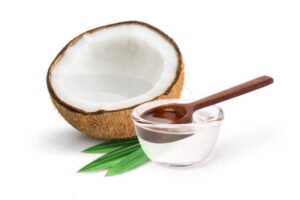
An ancient Ayurvedic practice, coconut oil pulling for teeth whitening involves swishing a tablespoon of oil in your mouth for 15-20 minutes. The mechanism is primarily one of emulsification and bacterial reduction. The oil binds to the lipid-based membranes of bacteria and plaque, which hold onto stains, and helps pull them away from the teeth as you swish. Coconut oil is particularly favored due to its high lauric acid content, which has antimicrobial properties. This is a cornerstone practice for those looking to whiten teeth naturally.
How to do it: Swish 1 tablespoon of virgin coconut oil first thing in the morning, before eating or drinking. Do this gently for 15-20 minutes, then spit it into the trash (not the sink, to avoid clogs). Rinse thoroughly with water and proceed with normal brushing. Daily practice yields the best results for overall oral cleanliness and gradual stain reduction as you work to whiten teeth naturally.
Method 2: The Hydrogen Peroxide Rinse (Properly Diluted)
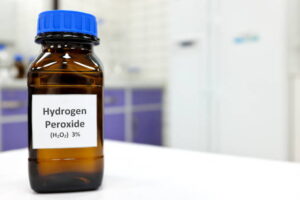
Hydrogen peroxide is a mild bleaching agent and the active ingredient in many professional whitening treatments. At a low concentration, it acts as an antiseptic and oxidizing agent, breaking down the complex stain molecules on your teeth into smaller, less colored particles. Many seek guidance on hydrogen peroxide teeth whitening at home safe protocols, which hinge entirely on proper dilution and usage frequency. It is one of the more potent tools to whiten teeth naturally.
Safety is paramount here. Never use household-strength (3%) hydrogen peroxide straight from the bottle. Always dilute it. The approved method is to use a 1.5% to 3% solution as a mouthwash. You can create this by mixing equal parts 3% hydrogen peroxide with water. Swish for 30-60 seconds, then rinse thoroughly with water. Limit this to 2-3 times per week to avoid potential soft tissue irritation. This method is one of the more direct answers to how to whiten your teeth naturally and quickly, offering noticeable results within a few weeks when combined with good hygiene.
Method 3: Dietary Detergents: Crunchy Fruits & Vegetables
This method leverages the natural texture and fiber of certain raw produce. The concept of teeth whitening with fruits and vegetables is based on their function as natural abrasives and saliva stimulants. As you chew crunchy, fibrous foods like apples, celery, carrots, and cauliflower, their texture can help scrub away surface plaque and stains. Furthermore, they stimulate saliva flow, which is your mouth’s natural cleanser and acid neutralizer, helping to rinse away stain-causing debris. It’s a delicious way to support your goal to whiten teeth naturally.
How to use it: Simply incorporate these “dental detergents” as the final part of a meal or as a snack. Think of an apple as nature’s toothbrush. While not a substitute for brushing, it’s a fantastic habit for maintaining cleanliness between brushes as you whiten teeth naturally.
Method 4: Strawberry & Pineapple Enzymatic Treatment
This method utilizes natural fruit enzymes. Strawberries contain malic acid, a mild astringent that can help remove surface discoloration. Pineapple contains bromelain, a proteolytic enzyme that has shown some efficacy in breaking down the protein-based pellicle to which stains adhere. This is part of the broader category of teeth whitening with fruits and vegetables but requires specific caution. It shows the innovative ways you can whiten teeth naturally.
A crucial warning: The acids in fruit can soften enamel. Never rub strawberries or lemon directly on your teeth and always rinse with water afterward. A safer approach is to mash one strawberry and mix it with a pinch of a gentle abrasive like calcium carbonate (our Method 7) to form a paste, brush gently, and rinse thoroughly. Use no more than once a week.
Method 5: Activated Charcoal: Benefits and Important Cautions
Activated charcoal is highly porous and adsorbent, meaning it can bind to surface stains, plaque, and bacteria. When used sparingly and correctly, it can polish teeth and remove superficial stains. It’s a modern addition to the toolkit for those wanting to whiten teeth naturally.
However, it is potentially abrasive and its long-term effects on enamel are not fully studied. Use with extreme caution: Only use a “toothpaste” formulation specifically designed with safe abrasion levels, or dip a wet toothbrush lightly into powdered charcoal. Brush very gently for no more than two minutes, only once every couple of weeks. This is not a daily method.
Method 6: The Turmeric Polishing Method
This seems counterintuitive given turmeric’s vibrant yellow color, but it’s a traditional polishing agent. A common question is “turmeric for teeth whitening does it work”. The answer is yes, through its mild abrasive properties which can help scrub away surface stains. Mix a small amount of turmeric powder with coconut oil or water to form a paste. Brush gently for two minutes, then rinse thoroughly—the yellow tint rinses away easily. This is a gentle alternative to harsher abrasives in your quest to whiten teeth naturally.
Method 7: Baking Soda Alternatives: Calcium Carbonate & Kaolin Clay
For those seeking the polishing effect of baking soda without its high abrasiveness, these mineral alternatives are excellent. Calcium carbonate is a common, gentle abrasive in commercial toothpastes. Kaolin clay is a soft, fine clay that provides mild polishing and absorbs toxins. You can find best natural toothpaste for whitening that use these as their primary cleaning agents, or you can dip a damp brush into a tiny amount of food-grade kaolin clay once a week as a polish. These are excellent final tools to help you whiten teeth naturally.
Choose one or two of these methods that resonate with you and try them consistently for 3-4 weeks. Track your progress with photos in similar lighting to monitor subtle changes on your path to whiten teeth naturally.
What Is the Quickest Way to Whiten Teeth at Home? A Realistic Timeline
This is the question everyone wants answered when trying to whiten teeth naturally. The internet is rife with promises of teeth whitening at home in 2 minutes or overnight miracles. It’s essential to separate hopeful fantasy from biological reality. Understanding realistic timelines is crucial when you aim to whiten teeth naturally.
Can You Whitening Teeth in 5 Minutes? Understanding “Instant” vs. Gradual Results
The short, honest answer is: No, you cannot safely and meaningfully whiten teeth in 5 minutes. Any method claiming this is either deceptive, dangerously acidic/abrasive (like scrubbing with lemon juice or straight baking soda), or a temporary optical illusion. Some products coat teeth with blue pigments to cancel out yellow tones, but this washes away quickly. True whitening involves the chemical or mechanical breakdown of stain molecules, which is a process, not an event. The quickest effective method from our list is likely the diluted hydrogen peroxide rinse, which can show initial results in a few days to a week with consistent use as you work to whiten teeth naturally.
The Truth About Whitening Teeth Overnight and In One Day
Similarly, significant whitening overnight or in one day is not a safe or achievable goal for natural methods. Dramatic one-day changes almost always involve professional-grade bleaching gels applied by a dentist. The natural methods described here work cumulatively. You might notice a slight brightness after your first oil pulling session due to the removal of fresh plaque, but transformative results require patience. Think in terms of 2-6 weeks of consistent application to see noticeable, lasting improvement in extrinsic stain reduction. This is the honest pace required to whiten teeth naturally.
Managing expectations is a critical part of a safe whitening journey. Chasing speed leads to compromised enamel, which defeats the entire purpose of learning how to whiten teeth naturally.
How to Remove Yellow Stains from Teeth Naturally
Now, let’s focus specifically on the battle against yellowing. By understanding stain types, you can deploy your methods more strategically. This is especially relevant for those looking for how to remove coffee stains from teeth naturally, as coffee is a prime cause of extrinsic yellowing. Targeting specific stains is a key skill to whiten teeth naturally.
Targeting Surface Stains vs. Deep Discoloration
Recall the difference between extrinsic (surface) and intrinsic (deep) stains. The yellowing from coffee, tea, and smoking is typically extrinsic. These are the stains that respond best to the emulsifying action of oil pulling, the oxidizing power of diluted hydrogen peroxide, and the gentle polishing of dietary detergents or kaolin clay. If your yellowing is uniform and linked to lifestyle, you’re targeting surface stains. If it’s in streaks, spots, or seems to come from within the tooth, a natural approach may have limited effect, and a dental consultation is advised. Knowing this distinction helps you whiten teeth naturally with precision.
The Most Effective Natural Stain-Removing Protocols
For removing yellow stains, a combined protocol is most powerful. Consider this weekly routine:
Daily: Oil pulling every morning.
2-3x/Week: A diluted hydrogen peroxide rinse after brushing.
Daily: End meals with a crunchy apple or carrots.
1x/Week: A gentle polish with a kaolin clay or calcium carbonate-based paste.
This multi-pronged attack addresses stains through different mechanisms—lifting, breaking down, and preventing re-adherence—for comprehensive results. It represents a balanced, strategic approach to whiten teeth naturally.
Home Teeth Whitening Remedies: What Actually Works vs. What to Avoid
Not all natural remedies are created equal. While we’ve championed safe alternatives, some popular “home teeth whitening remedies” are notoriously damaging. Discerning between them is vital for anyone trying to whiten teeth naturally without harm.
Natural Whitening Methods Dentists Warn Against
Lemon Juice, Apple Cider Vinegar, or Other Acids: Rubbing acidic substances directly on teeth is one of the worst things you can do. Acid demineralizes and erodes enamel, making teeth thinner, weaker, and more yellow (as the darker dentin shows through). This damage is permanent and is the opposite of a safe plan to whiten teeth naturally.
Undiluted Hydrogen Peroxide or High Concentrations: This can cause severe chemical burns to gum and soft tissues and increase tooth sensitivity.
Any Abrasive Substance Used Forcefully: This includes not just baking soda, but also salt, charcoal (used aggressively), or even overly vigorous brushing. They cause microscopic scratches on enamel where new stains can latch on more easily.
The Baking Soda Debate: Why We Recommend Alternatives
Baking soda (sodium bicarbonate) is a mild abrasive with some bleaching properties. While it’s less abrasive than some substances, its RDA (Relative Dentin Abrasivity) value is still higher than the ideal. Frequent use, especially when scrubbed aggressively, can lead to cumulative enamel wear and gum recession. For individuals seeking how to whiten teeth without baking soda, the seven alternatives provided offer comparable or better stain removal through safer mechanisms, prioritizing the long-term structural integrity of your teeth. This is the cornerstone of learning how to whiten teeth naturally without risk.
Share this list of “what to avoid” with a friend or family member who might be considering these risky DIY methods. Protecting enamel is a lifelong priority for anyone wanting to whiten teeth naturally.
Maintaining Your Results: Daily Habits for Lasting White Teeth
Whitening is only half the battle; maintenance is key to preserving your brighter smile. These daily habits create a foundation that prevents new stains from taking hold and helps you sustain your progress as you whiten teeth naturally.
How to Prevent New Stains from Forming
The Rinse Rule: After consuming stain-causing drinks (coffee, tea, red wine), swish with water immediately to dilute and wash away pigments before they settle.
Use a Straw: For iced coffee, tea, or soda, using a straw can help bypass your front teeth.
Don’t Skip Dental Cleanings: Professional cleanings every six months remove hardened plaque (tartar) that you can’t brush away, which is a major stain magnet. This supports your efforts to whiten teeth naturally by removing the sticky biofilm that holds stains.
The Role of Diet and Hydration in Teeth Whitening
A tooth-friendly diet supports whitening. Calcium-rich foods (dairy, leafy greens) help strengthen enamel. Staying well-hydrated ensures robust saliva flow, your mouth’s natural cleaning and buffering system. Conversely, a diet high in acidic and sugary foods creates an environment where enamel softens and stains more easily, undermining your goal to whiten teeth naturally.
FAQs: Your Natural Teeth Whitening Questions Answered
How can I whiten my teeth without baking soda?
As outlined in this article, effective alternatives include oil pulling with coconut oil, using a properly diluted hydrogen peroxide rinse, eating crunchy fruits and vegetables, and using gentle polishes like kaolin clay or calcium carbonate.
What is the quickest way to whiten teeth at home?
The fastest safe method is a combination of excellent daily hygiene (brushing/flossing) with a diluted hydrogen peroxide rinse 2-3 times per week. Expect visible results in 1-3 weeks. Avoid “instant” methods that damage enamel.
How to remove yellow stains from teeth naturally?
Focus on methods that lift or break down surface stains: oil pulling (lifts), diluted hydrogen peroxide (oxidizes), and gentle abrasion from dietary detergents or kaolin clay (polishes). Consistency is key to whiten teeth naturally.
What makes teeth white in 5 minutes? (And what doesn’t)
Nothing safe makes teeth meaningfully whiter in 5 minutes. Temporary tricks include blue covarine pigment in some toothpastes or whitening pens. True whitening is a process, not an instant event. Avoid acidic or harsh abrasive “quick fixes.”
How to whiten teeth overnight? Is it possible?
Significant whitening overnight with natural methods is not possible. The most you might achieve is slight brightening from plaque removal via oil pulling. For dramatic overnight changes, consult a dentist for professional take-home trays.
Can you really whiten teeth in one day?
Not safely or effectively with natural methods. One-day whitening is the domain of professional in-office treatments using high-concentration bleaching gels under controlled, safe conditions.
How to whiten teeth without professional scaling?
This guide is for surface (extrinsic) stain removal. Scaling removes hardened tartar (calculus) below the gumline, which cannot be removed by brushing. If you have tartar buildup, scaling by a dental professional is necessary for health and for effective surface whitening afterward.
Are baking soda alternatives like kaolin clay effective?
Yes. Kaolin clay and calcium carbonate provide the desired polishing effect to remove surface stains but with a lower and gentler abrasiveness (RDA) compared to baking soda, making them safer for regular use.
What’s the best long-term strategy to whiten teeth naturally?
The best strategy combines consistent, gentle methods from this guide with impeccable daily hygiene and regular dental checkups. There is no single “magic bullet” but rather a sustainable routine that prioritizes enamel health while gradually lifting surface stains. This holistic approach is how you truly whiten teeth naturally for life.
Is it safe to whiten teeth with hydrogen peroxide at home?
Yes, but only when properly diluted (e.g., a 1.5%-3% solution). Never use it at full strength. Swish for 30-60 seconds, limit use to 2-3 times per week, and rinse with water afterward to minimize sensitivity.
How often should I use natural whitening methods?
Follow the specific guidelines for each method: Oil pulling can be daily; hydrogen peroxide rinses 2-3x/week; dietary changes are daily; and polishing methods with clay/charcoal should be limited to 1x/week or every two weeks to prevent abrasion.
Conclusion: Building Your Personalized, Safe Whitening Routine
The journey to whiten teeth naturally and achieve a brighter smile is one of patience, consistency, and above all, safety. You now have the knowledge to move beyond the abrasive risk of baking soda and the false promises of instant miracles. Your personalized plan starts with choosing one or two of the seven dentist-approved methods—perhaps beginning with daily oil pulling and a bi-weekly hydrogen peroxide rinse—and integrating them into your unwavering routine of brushing and flossing. This is the essence of how to whiten teeth naturally.
Remember, the goal is a healthy, bright smile, not an aggressively white one at the expense of your enamel. Listen to your teeth; if you experience increased sensitivity, pull back on the frequency of active whitening methods. The most beautiful smile is one that is genuinely healthy from the inside out. To truly whiten teeth naturally is to care for them holistically, with respect for their long-term wellbeing.
Take this information, build your gentle routine, and smile with confidence, knowing you’re caring for your teeth in the smartest, most sustainable way possible. You now possess a complete, safe, and effective blueprint to whiten teeth naturally.
Consult with your dentist at your next check-up. Show them this guide and discuss which methods align best with your specific oral health. They can provide personalized guidance and ensure your path to whiten teeth naturally is perfectly safe for you.